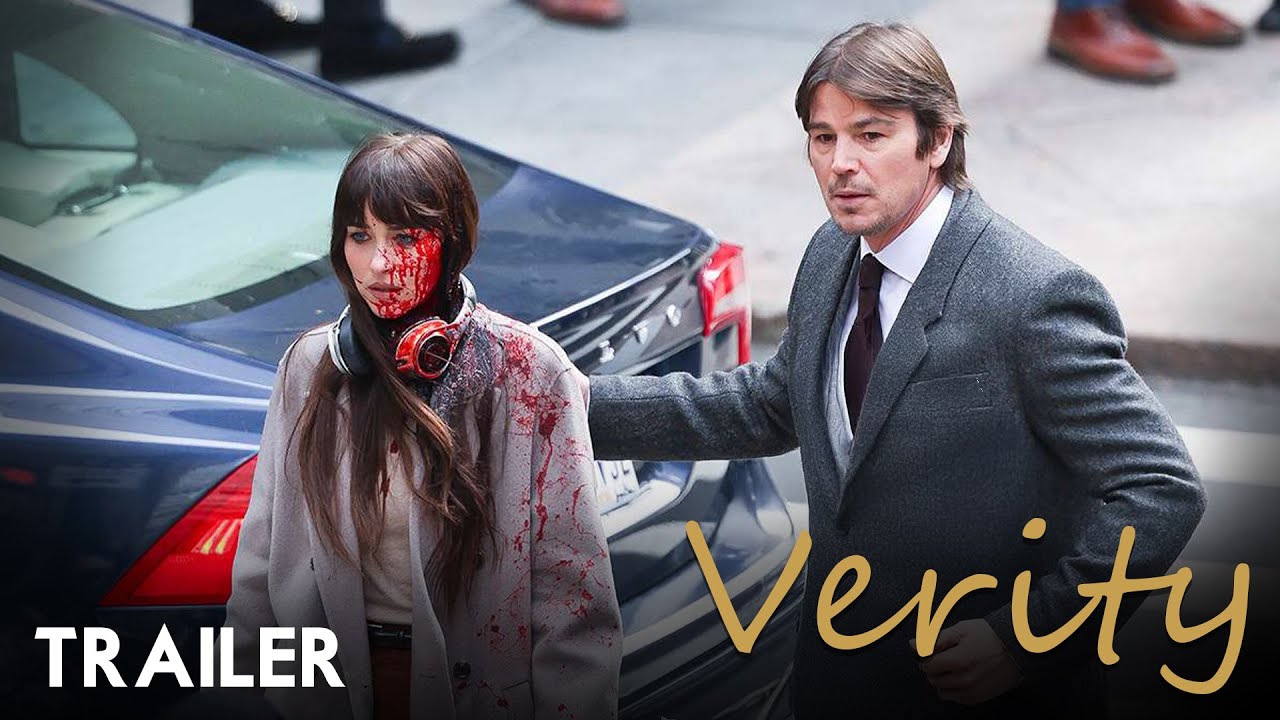
With Verity (2026), cinema embraces uncertainty as its greatest strength. The film presents a world where perception shapes reality and love becomes indistinguishable from control. It is a psychological thriller that understands fear as something internal, intimate, and deeply personal.
The story unfolds through Lowen Ashleigh’s perspective, yet the film constantly questions that point of view. As Lowen becomes entangled with the Crawford family, the audience experiences the same disorientation. Trust erodes. Motives blur. Nothing feels entirely stable.
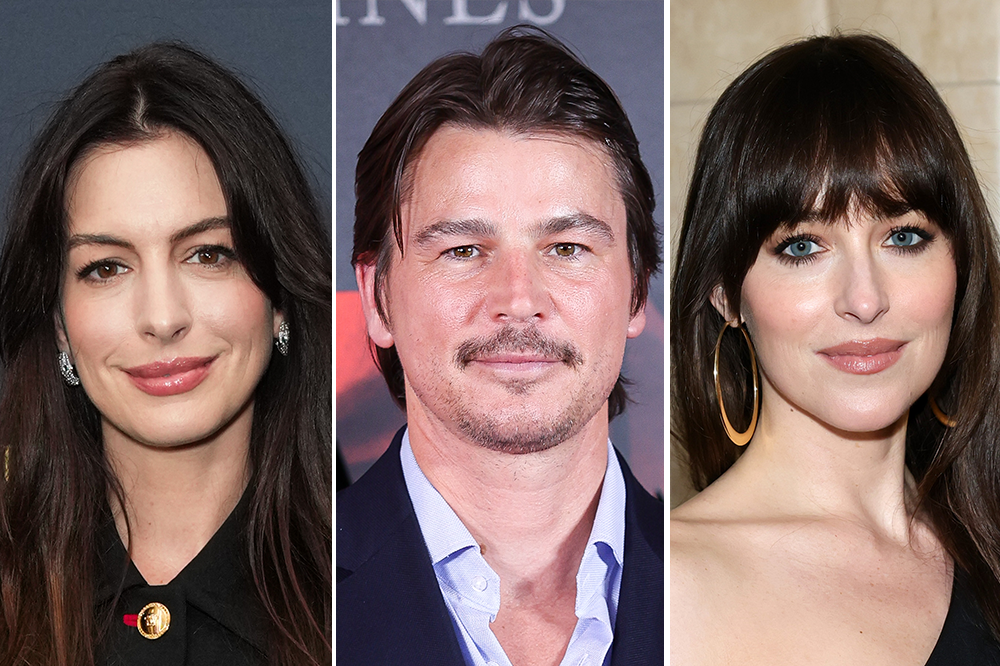
Anne Hathaway’s portrayal of Verity Crawford is the film’s most provocative element. She embodies elegance with an edge, creating a character that refuses categorization. Is she victim or villain? The film never answers directly, allowing the ambiguity to fuel its tension. Dakota Johnson counters this with vulnerability and quiet determination, grounding the narrative emotionally.
Director Michael Showalter leans into psychological intimacy. The camera moves slowly, deliberately. Scenes unfold like confessions rather than confrontations. Every interaction feels charged with unspoken meaning.

The film’s production design reinforces its themes. Neutral colors dominate, creating a sense of emotional numbness. Objects — books, notes, photographs — become symbols of hidden power. The house itself feels like a character, holding secrets within its walls.
Music is used sparingly. When it appears, it underscores emotional shifts rather than guiding them. Silence often proves more unsettling than sound.
What makes Verity resonate is its exploration of belief. The film asks whether truth matters more than narrative. It challenges viewers to confront their own biases and desires as they interpret the story.
By the end, Verity (2026) leaves the audience unsettled rather than satisfied. It lingers in the mind as a moral puzzle rather than a solved mystery. In doing so, it elevates itself beyond genre, becoming a cinematic experience that invites debate, reflection, and unease.