
In a time when crime stories rely on speed, spectacle, and shocking twists, Miss Jane Marple stands apart. She does not rush. She does not raise her voice. She does not command attention.
Instead, she observes.
In Agatha Christie’s Marple: A Christmas Mystery (2026), this quiet approach becomes the film’s greatest strength. The story shows that truth does not always reveal itself through force or brilliance. More often, it appears through patience, memory, and the courage to look closely at human behavior.
This is why Miss Marple still matters.
A Detective the World No Longer Notices
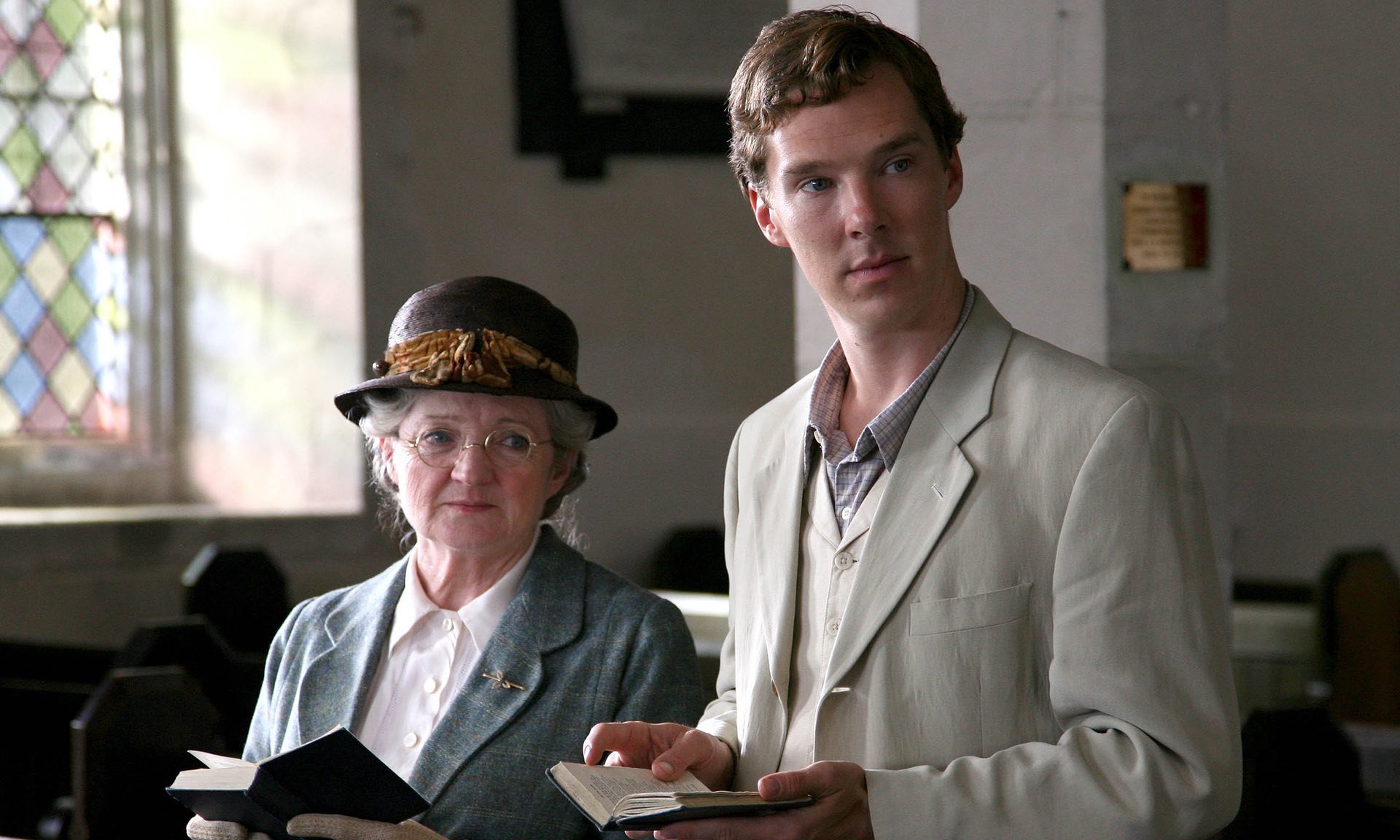
From the beginning, the film presents Miss Marple as someone others overlook. She appears gentle, elderly, and harmless. People smile at her, but they do not take her seriously.
However, this underestimation works in her favor.
Because no one fears her, everyone speaks freely around her. Family members share frustrations. Guests complain without caution. Even the killer feels safe enough to relax in her presence.
As a result, Miss Marple hears the truth long before anyone realizes it.
The film uses this dynamic carefully. It does not mock the characters who dismiss her. Instead, it reflects a wider social habit: we often ignore people who do not match our idea of authority. Miss Marple turns that habit into her greatest tool.

Observation Over Interrogation
Unlike modern detectives, Miss Marple does not interrogate. She does not pressure suspects or dominate conversations. Instead, she listens.
She notices patterns in speech.
She pays attention to silences.
She remembers details others forget.
For example, she observes who avoids certain topics and who speaks too quickly when the victim’s name appears. She watches reactions during gift exchanges and family traditions. These moments may seem small, but together they form a clear picture.
Moreover, Miss Marple understands that people reveal their true nature when they feel comfortable. Because she offers warmth rather than suspicion, others lower their guard.
Therefore, truth comes to her naturally.

Age and Gender as Silent Advantages
One of the film’s most effective themes involves age and gender. Miss Marple lives in a world that sees older women as kind but irrelevant. The story never ignores this reality. Instead, it uses it.
People interrupt her politely.
They explain things she already understands.
They assume she cannot connect complex ideas.
In contrast, Miss Marple connects everything.
The film suggests that society often mistakes quietness for weakness. It also shows how dangerous that mistake can be. Miss Marple never asks for power. She simply accepts invisibility—and uses it.
As a result, she moves through the story without resistance, collecting truths others hide from more “important” figures like the police.
Christmas as Emotional Cover
Christmas plays a critical role in the mystery. On the surface, it represents warmth, tradition, and family unity. Beneath that surface, however, it hides tension.
The victim controls the household through holiday rituals. He decides who sits where. He gives gifts that remind others of their dependence. He uses generosity to maintain authority.
Miss Marple understands this immediately.
She has seen how holidays increase emotional pressure. Expectations rise. Old resentments return. People pretend to feel joy while hiding anger and fear.
Because of this, Christmas becomes the perfect cover for murder. No one expects violence during a season of peace. Meanwhile, emotional stress reaches its peak.
Therefore, the crime does not feel sudden. It feels prepared.
Understanding the Crime Without Excusing It
One of the film’s most powerful choices lies in how it treats the killer. Miss Marple does not see a monster. She sees a person shaped by long-term emotional strain.
This does not excuse the murder. Instead, it explains it.
The victim ruled through money and tradition rather than kindness. Over time, gratitude turned into obligation. Obligation became resentment. Eventually, resentment demanded release.
Miss Marple recognizes this pattern because she has seen it before. In villages, in families, and in quiet homes, power often hides behind good manners.
As a result, the murder feels tragic rather than shocking.
Active Moral Judgment
Although Miss Marple understands the killer, she never protects them. She believes strongly in moral responsibility.
However, she also believes that truth must arrive carefully.
She does not announce her conclusion for dramatic effect. She waits until every detail aligns. Then, she speaks clearly and calmly.
When she reveals the truth, the room does not explode. Instead, it falls silent.
This silence matters.
It forces every character to confront their role in creating the environment where murder became possible. Miss Marple does not accuse a single person alone. She exposes a system built on control and fear.
A Detective Who Refuses to Perform
Modern crime stories often celebrate detectives as entertainers. They deliver clever speeches. They outshine everyone else in the room.
Miss Marple refuses this role.
She never performs intelligence. She practices it.
The film reflects this restraint through simple dialogue and minimal music. Her scenes avoid drama. Instead, they rely on clarity.
Because of this, her conclusions feel stronger. They do not depend on emotion or surprise. They depend on truth.
Why Miss Marple Still Resonates Today
In a fast, loud world, A Christmas Mystery argues for a different kind of wisdom.
Miss Marple represents attention in an age of distraction. She reminds viewers that understanding people matters more than mastering technology.
Moreover, she shows that power does not always belong to the loudest voice. Often, it belongs to the one who listens longest.
This message feels especially relevant today.
The Ending: Truth Without Celebration
The film’s final moments avoid celebration. Justice arrives, but relief does not.
The family remains broken. Christmas ends quietly. Miss Marple returns to her knitting.
Nothing feels restored.
However, something important has changed. The truth now exists. The characters can no longer hide behind tradition or politeness.
That is enough.
Final Reflection: Seeing Is an Act of Courage
Agatha Christie’s Marple: A Christmas Mystery (2026) proves that great mysteries do not need spectacle. They need insight.
Miss Marple solves the case because she pays attention to what others ignore. She listens when others speak. She remembers when others forget.
Most importantly, she understands that seeing people clearly—even when it hurts—is an act of courage.
In the end, the film reminds us of a simple truth:
Those we overlook often understand us best.