Some films tell stories.
Others reveal truths we prefer to avoid.
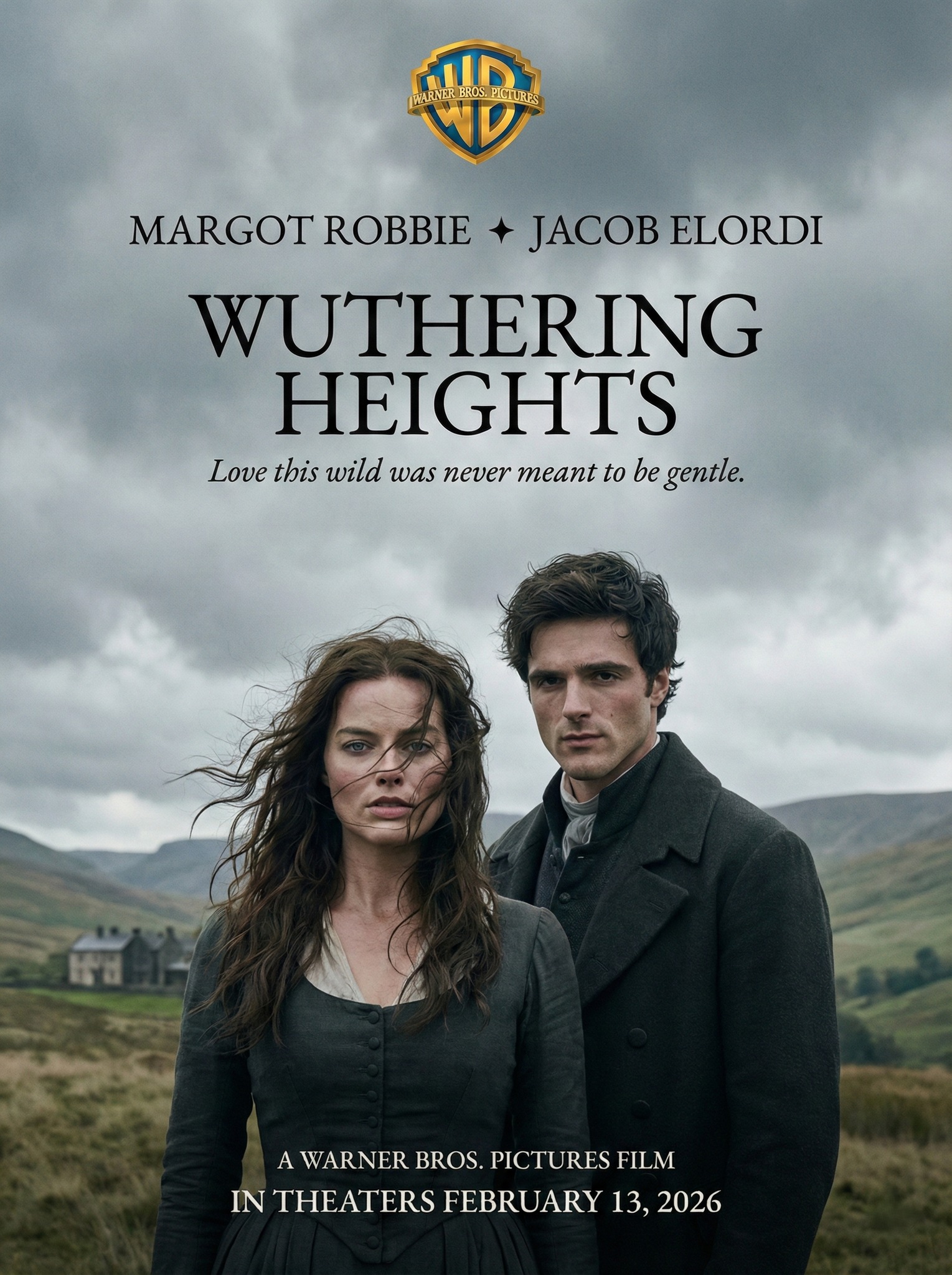
Wuthering Heights (2026) belongs to the second kind. It does not invite the audience to dream about love. Instead, it asks us to look closely at how love can twist, wound, and slowly destroy the people who hold onto it too tightly.
Directed by Emerald Fennell, this new adaptation of Emily Brontë’s classic novel approaches the story with emotional clarity rather than romantic softness. It refuses to comfort the viewer. Instead, it holds up a mirror—one that reflects obsession, pride, and the painful cost of emotional dependency.
From beginning to end, the film feels intentional, restrained, and deeply human.
A Story That Feels Timeless, Not Old
Although the film is set in the past, it never feels distant. The emotions at the center of the story remain painfully familiar. Fear of abandonment, hunger for recognition, and the need to feel chosen still shape modern relationships today.
Emerald Fennell does not modernize the story through language or visuals. Instead, she modernizes it through behavior. The characters act in ways we recognize. They avoid difficult conversations. They choose pride over honesty. They stay in relationships that hurt them because leaving feels even more frightening.
As a result, the story feels timeless rather than outdated.
Love Without Safety or Peace
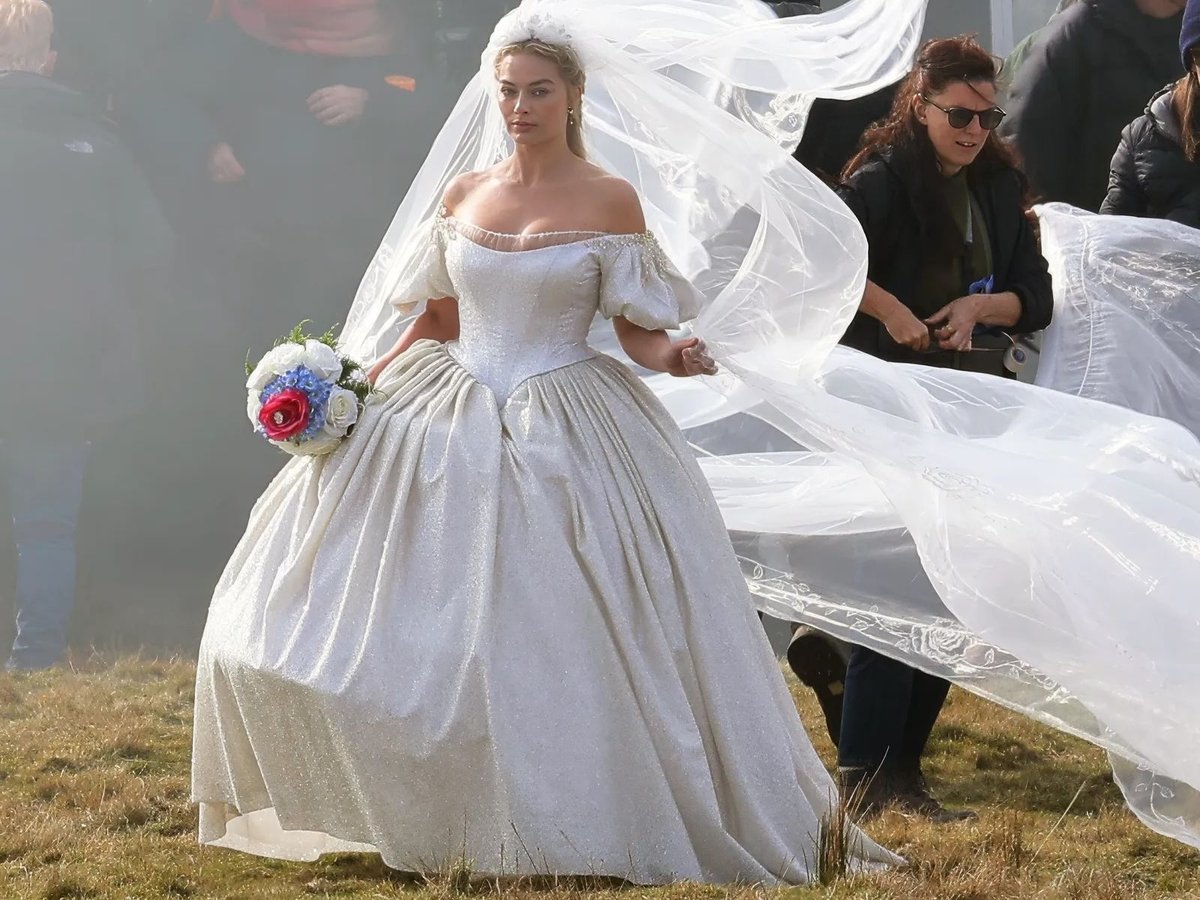
At the heart of Wuthering Heights (2026) lies a love that never offers safety. Catherine Earnshaw and Heathcliff share an intense bond, yet their connection lacks trust, balance, and peace. They love each other deeply, but they never learn how to protect one another.
This version of the story makes one thing very clear: intensity does not equal intimacy.
Catherine feels alive with Heathcliff, but she also feels trapped by him. Meanwhile, Heathcliff defines his entire identity through Catherine’s love and rejection. He does not simply love her—he needs her to exist.
Because of this imbalance, their relationship becomes a prison rather than a refuge.
Catherine Earnshaw: Torn Between Desire and Fear
Catherine is often described as cruel or selfish, but this film offers a more layered portrait. She is a woman divided between who she feels she is and who she believes she must become.
With Heathcliff, Catherine feels free, wild, and honest. However, she also fears the social cost of choosing him. With Edgar Linton, she finds comfort and security, yet loses a part of herself.
Instead of judging Catherine, the film invites the audience to understand her fear. She does not choose safety because she lacks love. She chooses safety because she fears losing everything.
That fear slowly erodes her happiness.
Heathcliff: When Pain Becomes Identity
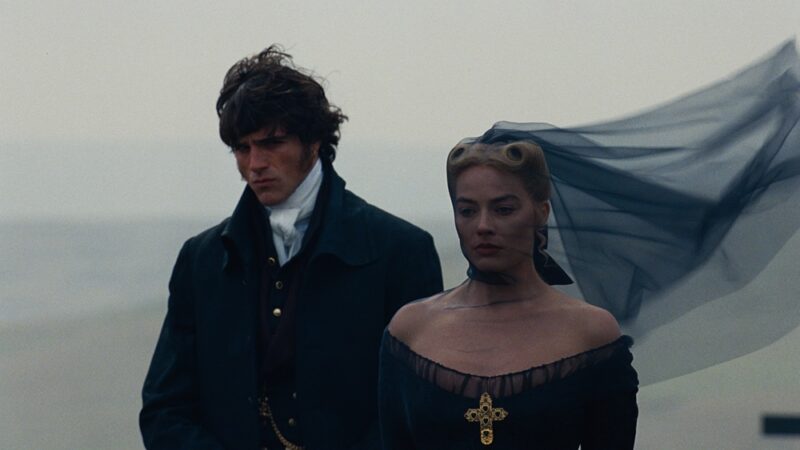
Heathcliff’s tragedy lies in how deeply he internalizes rejection. Every insult, every dismissal, and every loss shapes him. Over time, his pain transforms into identity.
Rather than healing, he sharpens his suffering into a weapon.
In this adaptation, Heathcliff does not seek forgiveness or peace. He seeks control. He believes that power will protect him from pain, yet it only deepens his isolation.
His love for Catherine becomes inseparable from anger, resentment, and revenge. As a result, love stops being something he gives. Instead, it becomes something he uses.
The Innocent Ones Who Pay the Price
While Catherine and Heathcliff dominate the emotional center of the film, the true victims often stand quietly at the edges.
Edgar Linton represents stability and kindness, yet he cannot compete with emotional chaos. He loves Catherine sincerely, but he does not understand her inner storm. This emotional mismatch creates quiet heartbreak rather than dramatic conflict.
Isabella’s journey feels especially painful. She enters the story believing in romance and devotion. Over time, she learns that passion without empathy can be dangerous. Her transformation from innocence to disillusionment reflects one of the film’s strongest warnings.
Through these characters, the film shows how obsession harms not only those who feel it—but also those who stand nearby.

Visual Storytelling That Speaks Softly
Visually, Wuthering Heights (2026) remains restrained and purposeful. The moors stretch endlessly, creating a sense of emotional exposure. The houses feel closed and heavy, reflecting emotional confinement rather than comfort.
The film uses natural light, muted colors, and long silences to build mood. Instead of dramatic music cues, it allows quiet moments to linger. These pauses create space for reflection and discomfort.
Every visual choice supports the emotional story rather than distracting from it.
A Story About Memory and Consequence
One of the most powerful aspects of the film lies in its treatment of time. The past never disappears. It returns through memory, behavior, and emotional inheritance.
Pain passes from one generation to the next, not because it is remembered—but because it is never resolved.
The film suggests that unresolved love does not fade. Instead, it reshapes lives long after the original wound appears to close.
A Conclusion Without Comfort
Unlike many romantic dramas, Wuthering Heights (2026) does not offer closure or redemption. There is no moment where everything feels justified or healed.
Instead, the film ends with understanding.
It understands that some love stories do not teach us how to love better. They teach us what happens when we refuse to change, forgive, or let go.
Final Reflection
Wuthering Heights (2026) is not a film designed to be admired easily. It is designed to be felt deeply.
It reminds us that love without respect becomes obsession.
That passion without balance turns destructive.
And that holding onto pain may feel powerful—but it always comes at a cost.
This is not a story about love winning.
It is a story about love enduring—long after it stops being kind.