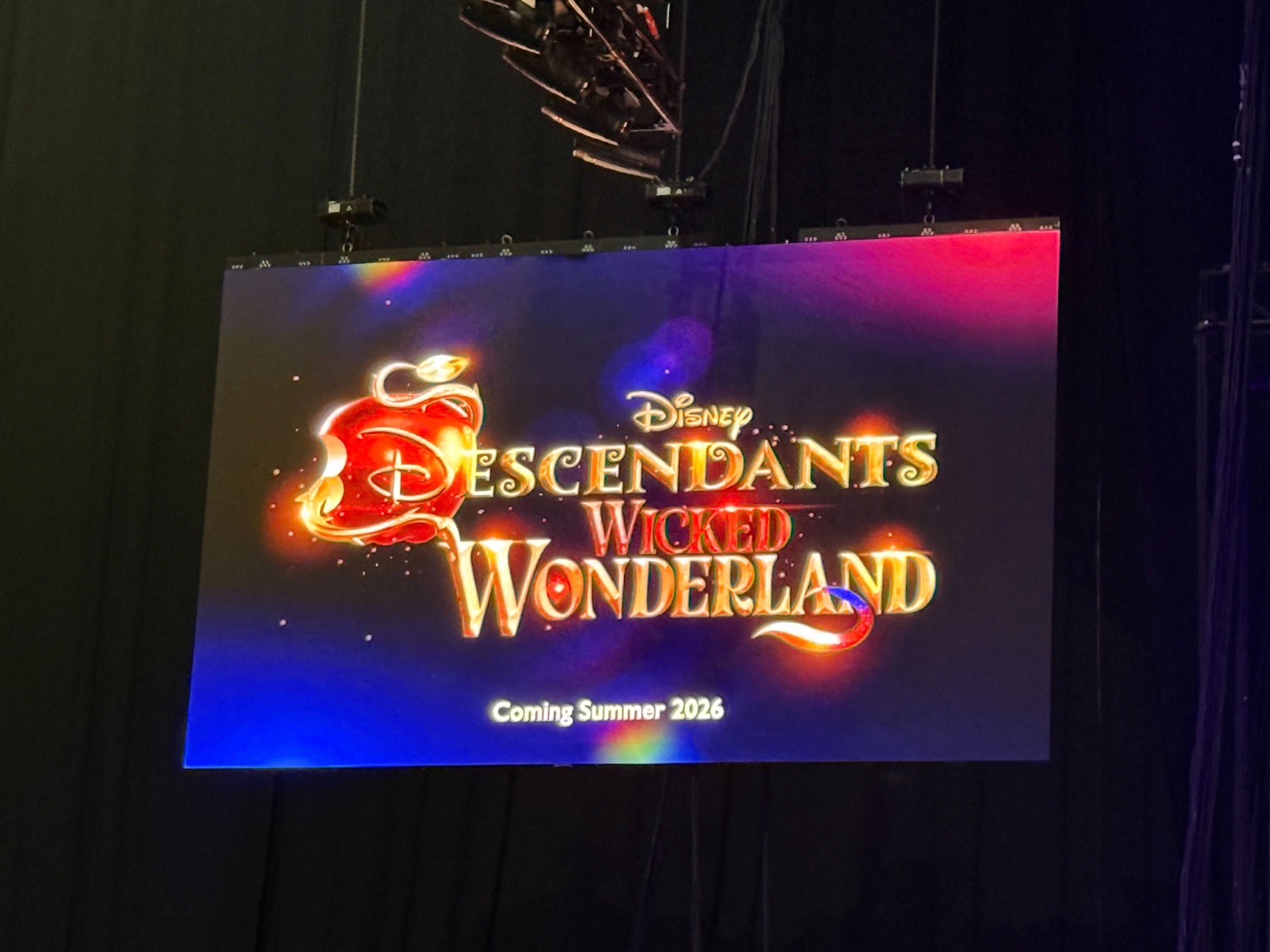
He does not enter Wonderland with thunder or prophecy. There is no announcement, no shadow stretching across the sky. He arrives quietly, as if he has always been there. While others celebrate the Kingdom Cup Games, he listens. Wonderland reveals itself only to those who wait.
The film never rushes his introduction. He is framed observing rather than acting, positioned at the edge of scenes instead of the center. His calm contrasts sharply with the chaos around him. He does not react to instability. He studies it.
Time in Wonderland is no longer linear. It bends, loops, and hesitates in ways that most characters sense but cannot articulate. He understands it instinctively. To him, fractures are not accidents. They are invitations.
Unlike the villains of old stories, he does not desire a throne. Power, to him, is inefficient. Thrones invite rebellion, emotion, and unpredictability. He wants something cleaner. He wants systems.
His philosophy is revealed slowly through dialogue that feels almost polite. He speaks of balance, of optimization, of removing waste from reality itself. He never uses the word “control,” but it lingers beneath every sentence. Wonderland, in his eyes, is a machine that has begun malfunctioning.
He believes the land’s greatest flaw is its reliance on choice. Choice introduces chaos, delay, and error. Time, when left alone, is wild and inefficient. He believes it can be refined.
The film’s brilliance lies in how it mirrors him against Red. Both altered time. Both saw a broken future and acted. The difference is not intention, but acceptance. Red accepts consequence. He rejects it.
When he first speaks to Red, there is no accusation. He thanks her. Without her decision, his understanding of time would not exist. This gratitude unsettles her more than anger ever could.
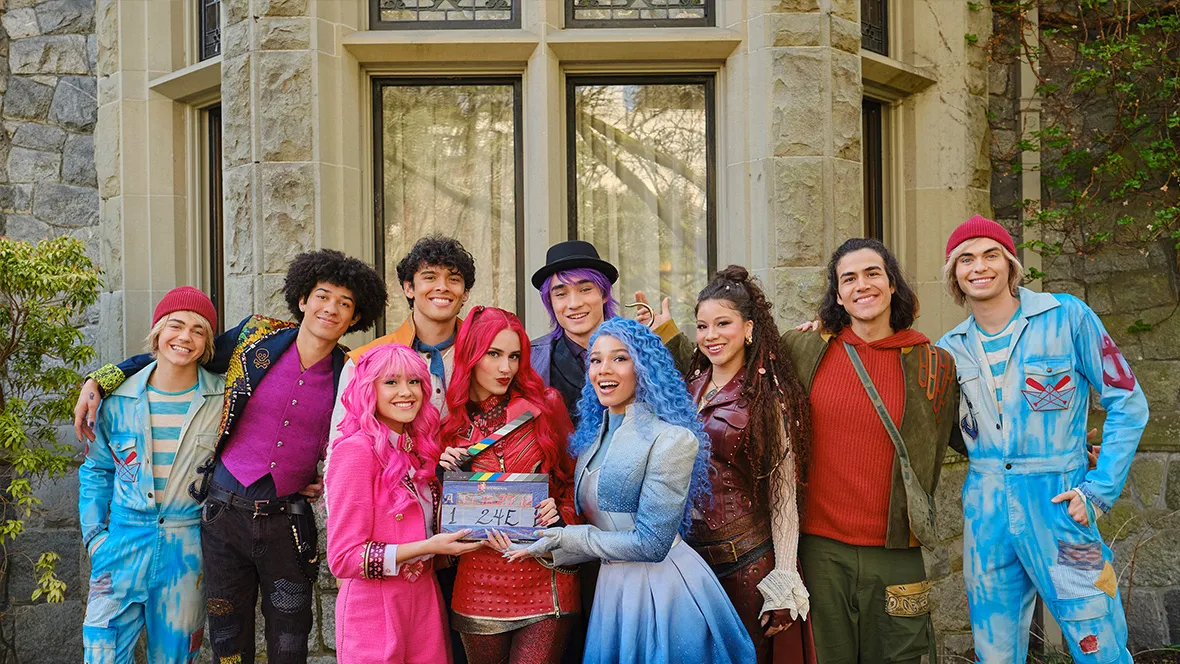
He tells her that guilt is a wasted emotion. Guilt looks backward, while progress looks forward. He suggests that responsibility means finishing what she started. Red listens, because part of her fears he might be right.
His presence in Wonderland subtly changes behavior. People begin relying on predictability where it still exists. Schedules tighten. Patterns repeat more cleanly. The land feels calmer, but also quieter.
Chloe senses the danger immediately. Order without empathy feels wrong to her. She recognizes the same promise that once comforted her, now stripped of humanity. The villain notices her hesitation. He adjusts his approach.
To Chloe, he speaks of safety. He speaks of endings that close properly. He speaks of a world where children do not grow up afraid of instability. His words resonate deeply. For a moment, Chloe imagines relief.
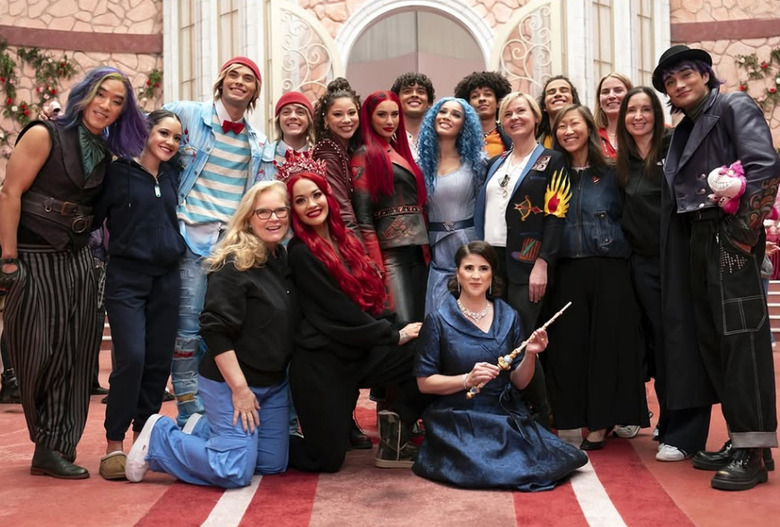
Yet the film never lets his vision go unchallenged. Small scenes show the cost of his influence. Characters hesitate before acting, afraid of disrupting patterns. Creativity dulls. Emotion feels measured.
Wonderland begins to lose its unpredictability. Color remains, but spontaneity fades. Laughter sounds rehearsed. The land is stabilizing, but at the cost of its soul.
The villain does not notice this loss. Or perhaps he does and considers it necessary. To him, beauty is efficiency. Freedom is waste. He listens to time, but he does not listen to people.
His most revealing moment comes not in confrontation, but in confession. He admits that he once lived in a world destroyed by chaos. Time fractured there too, but no one intervened. He survived by predicting disaster.
From that moment on, uncertainty became his enemy. Control became his comfort. Wonderland is not his conquest. It is his cure.
The film treats this backstory with restraint. It does not excuse him, but it explains him. Trauma, when unexamined, hardens into ideology. His belief system is a defense mechanism turned doctrine.
As the climax approaches, his system nears completion. Time aligns more cleanly. Outcomes become predictable. The Games conclude without error. On the surface, Wonderland appears healed.
Red feels something missing. The land no longer responds emotionally. It obeys. That obedience frightens her more than chaos ever did.
She confronts him not with violence, but with a question. What happens when someone makes an unexpected choice? He answers calmly. The system corrects it.
Red asks about love. He pauses. Love, he explains, is an anomaly. An inefficiency that cannot be measured. He believes it can be managed.
This is where the film draws its line. Control that cannot accommodate love is not balance. It is tyranny with softer edges.
Chloe makes her final decision here. She rejects the comfort of certainty. She chooses unpredictability over safety without freedom. Her voice shakes, but she does not retreat.
Together, Red and Chloe expose the flaw in his system. It relies on fractures to function. It feeds on instability. When the land accepts its scars instead of hiding them, the system loses power.
Time stabilizes not through control, but through honesty. The loops soften. The echoes fade. Wonderland stops resisting itself.
The villain does not rage. He does not plead. He simply watches as his influence dissolves. Without fractures to harvest, he has no leverage.
His end is quiet. He steps out of the system he built, no longer able to shape it. The film denies him spectacle, denying him the drama he never sought.
In the aftermath, Wonderland remains imperfect. Chaos exists, but it breathes naturally. Choice returns. Emotion returns. Risk returns.
Red understands that listening to time is not enough. One must listen to people living inside it. Chloe understands that endings do not need to be perfect to be meaningful.
The villain fades into memory, not as a monster, but as a warning. Fear, when given structure, becomes oppression. Trauma, when ignored, becomes ideology.
The final scene lingers on Wonderland at rest. Not frozen, not controlled, but alive. Time moves forward imperfectly, beautifully, honestly.
The land no longer waits to be fixed. It waits to be lived in.