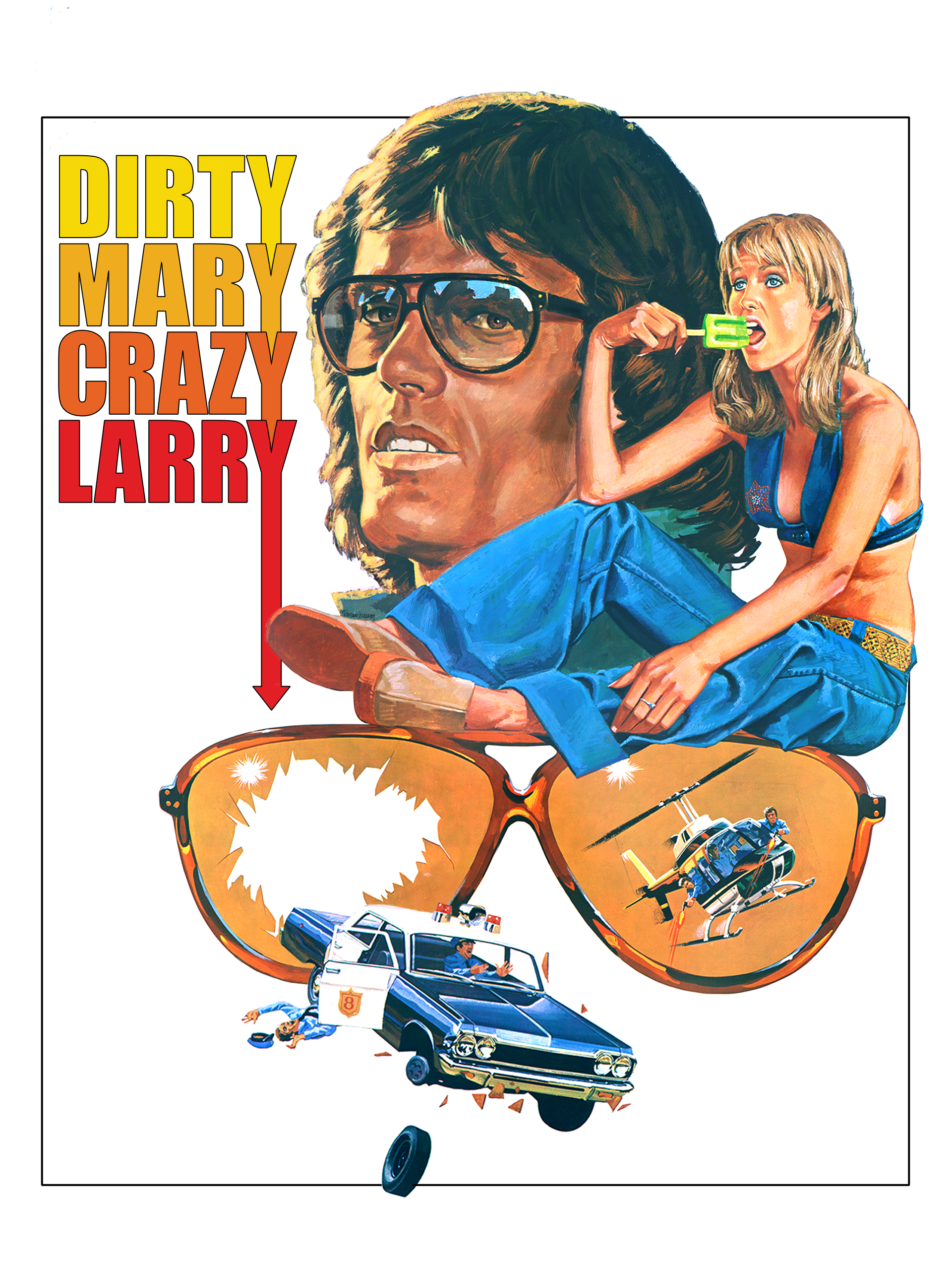
1. A Different Kind of Entry
Mary does not enter the film with urgency. Instead, she appears quietly, almost accidentally. The camera does not frame her as mysterious or seductive. It observes her routine. She works. She listens. She waits. Life moves around her, yet she remains still.
From the beginning, the film establishes an important contrast. Larry moves too fast. Mary barely moves at all. This difference shapes everything that follows.
Rather than explaining Mary through dialogue, the film allows time to define her. Small pauses linger. Her expressions last a beat longer than expected. As a result, the audience senses fatigue before understanding its source.
Mary does not look lost. She looks paused.
2. Stillness as a Silent Crisis
The world Mary inhabits values stability. Schedules define her days. Responsibilities arrive without reward. Nothing feels actively hostile. However, nothing feels alive either.
Unlike Larry, Mary does not feel trapped by systems alone. She feels trapped by repetition. Every day resembles the last. Choices exist, yet none lead anywhere new.
Because of this, stillness becomes dangerous. It drains purpose slowly. The film treats this emotional erosion seriously. It does not rush her dissatisfaction. Instead, it allows it to accumulate.
Therefore, when Mary meets Larry, attraction does not spark immediately. What she notices first is motion. Larry moves through space as if it resists him. He does not settle. He interrupts routines simply by existing.
That disruption matters more than charm.
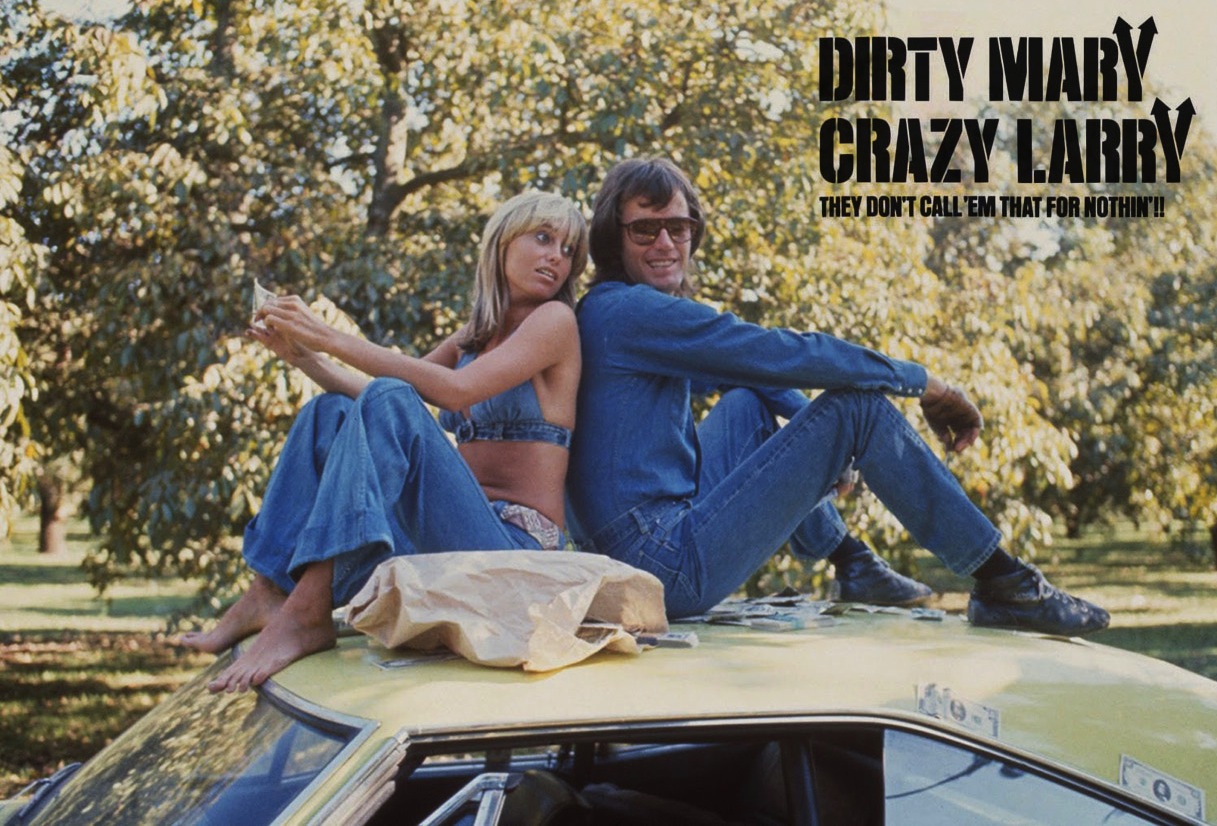
3. First Contact — No Promise, No Fantasy
Their first interaction avoids cinematic clichés. No dramatic lighting softens the moment. No music signals destiny. Conversation stays minimal. The film resists romantic framing.
This choice grounds Mary’s character. She does not project fantasy onto Larry. She does not see salvation. Instead, she senses momentum.
Larry represents something unfinished. He moves forward without certainty. For Mary, that uncertainty feels refreshing. It breaks the loop she inhabits.
Importantly, Mary does not chase Larry. Circumstance brings them together. The film emphasizes coincidence over fate. As a result, her later decision to stay feels earned, not scripted.
4. The Moment of Choice
After the robbery, the film presents Mary with clarity. She can leave. The danger is obvious. Larry offers no reassurance. Deke says nothing comforting.
At this point, the film slows down. Silence stretches. The road hums beneath them. Mary processes reality without panic.
This moment defines her role. She does not freeze. She does not plead. Instead, she chooses.
Mary stays not because she believes in Larry’s plan. She stays because returning to stillness feels worse. Risk feels honest. Motion feels real.
Therefore, her decision is not romantic. It is existential, yet grounded. She understands the cost. She accepts it.
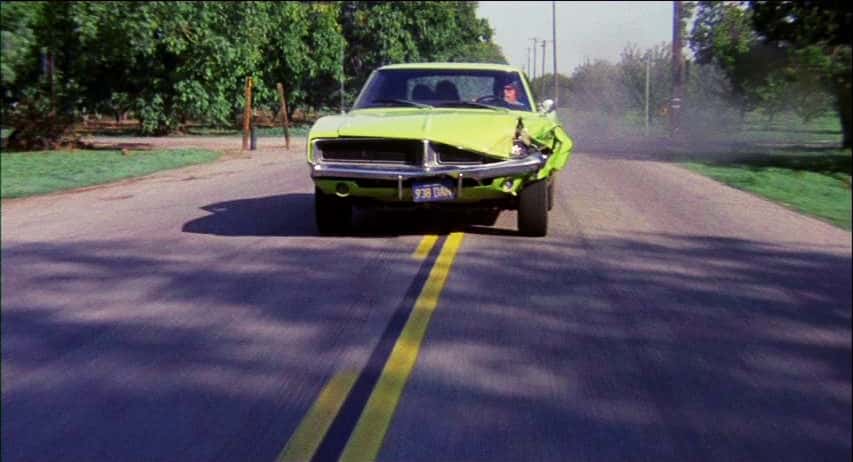
5. Reframing the “Girl in the Car”
Traditionally, chase films reduce women to passengers. They scream. They plead. They represent consequence. Dirty Mary, Crazy Larry (2026) rejects that pattern.
Mary does not function as a moral anchor. She does not demand escape or surrender. Instead, she observes. She listens. She adapts.
The camera treats her with respect. It does not isolate her reactions for spectacle. Instead, it includes her within the rhythm of the chase.
As a result, Mary becomes part of the motion. She does not disrupt it. She understands it.
This reframing matters. It shifts the emotional center of the film. The chase no longer belongs solely to Larry. Mary shares the experience.
6. Mary and Larry — Movement Without Illusion
As the chase continues, Mary studies Larry carefully. She does not idealize him. She notices his avoidance. She senses his fear of stopping.
Rather than confronting him directly, she adapts. She asks practical questions. She watches his decisions. Over time, understanding replaces curiosity.
Mary realizes that Larry cannot exist without motion. Stillness would collapse him. Speed holds him together.
However, Mary does not believe speed will save them. She understands the ending before it arrives. That awareness separates her from Larry.
Therefore, her strength lies not in hope, but in acceptance.
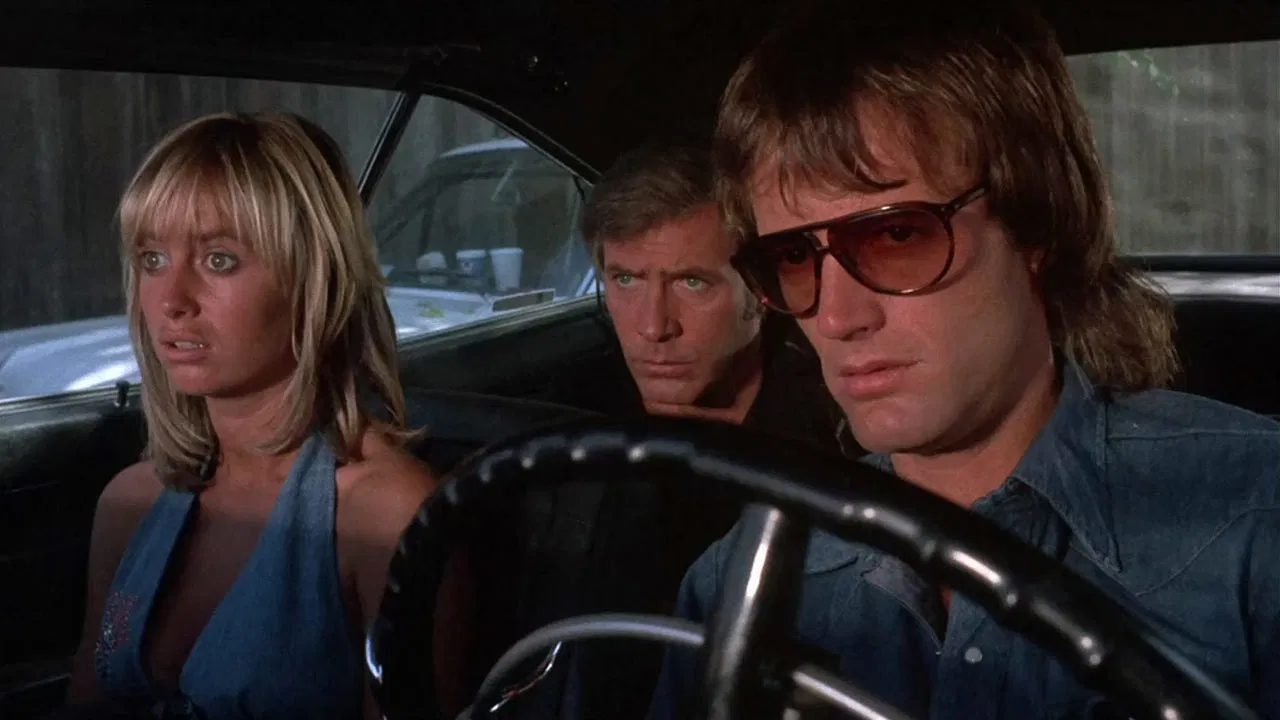
7. Sound, Silence, and Presence
The film uses sound to align the audience with Mary’s perception. Engine noise dominates. Wind cuts through dialogue. Silence appears suddenly, then disappears.
Mary reacts differently from Larry. She listens. She notices changes in rhythm. Her awareness grows sharper as danger increases.
Because of this, she becomes emotionally present in a way Larry avoids. While he focuses on control, Mary absorbs reality.
This contrast deepens the film’s emotional texture. It shows two responses to crisis. One accelerates. The other endures.
8. Gender and Agency in Motion
Mary’s choice challenges expectations. She does not demand safety. She does not represent reason opposing recklessness. Instead, she embodies agency within risk.
The film suggests that agency does not require control. Sometimes, it requires commitment. Mary commits to motion without believing in escape.
This perspective reframes the chase. It becomes less about victory and more about participation. Mary refuses to step away from experience.
That refusal grants her dignity.
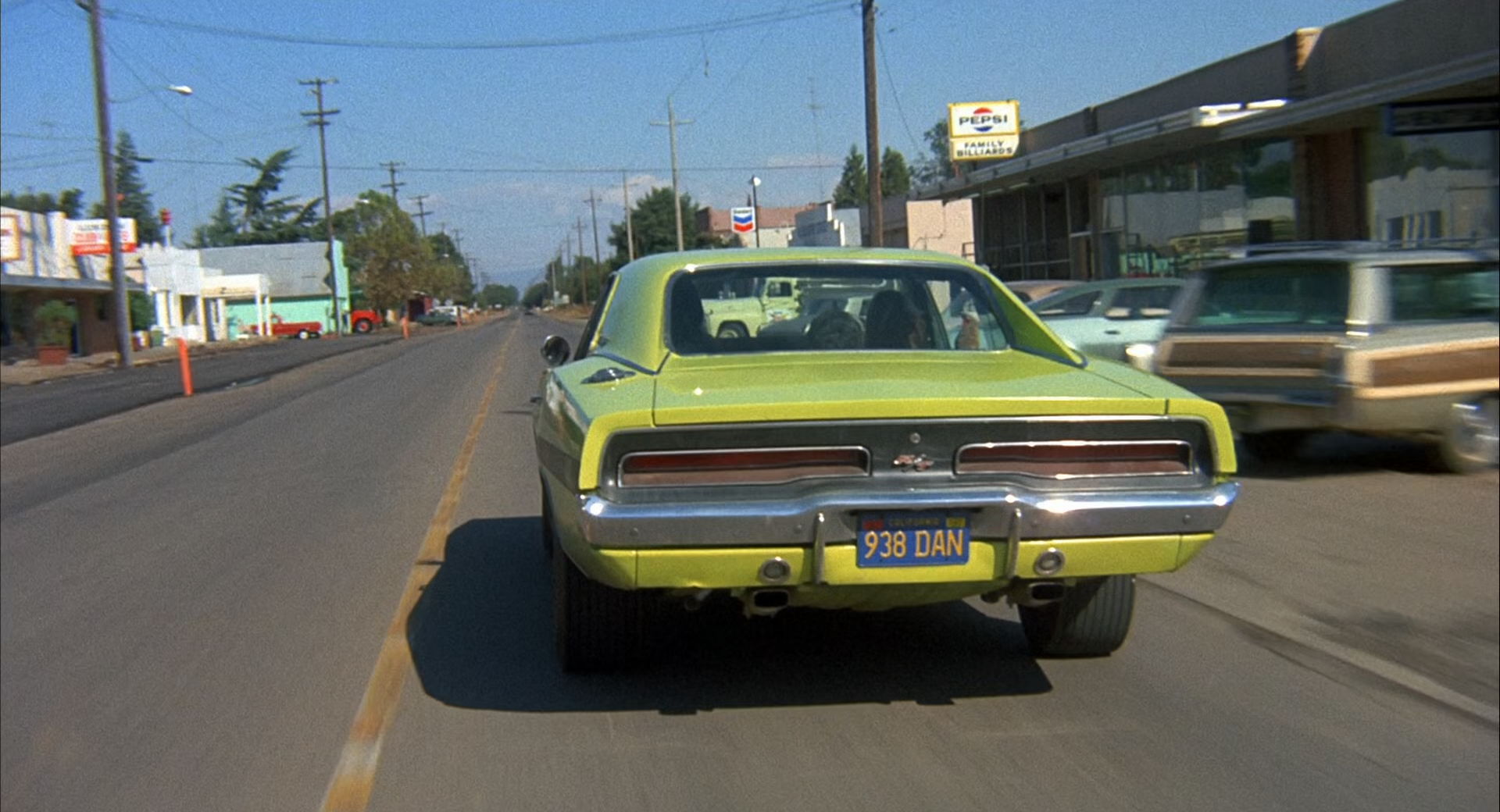
9. The Chase Through Mary’s Eyes
As law enforcement closes in, the film increasingly aligns with Mary’s point of view. External threats blur. Internal awareness sharpens.
She notices the narrowing roads. She senses inevitability. Yet she does not panic. Calm settles over her.
This calm does not signal denial. Instead, it reflects clarity. Mary understands that the system will win. What matters now is presence.
Therefore, fear gives way to focus.
10. Mary and Deke — Quiet Understanding
Mary shares few moments with Deke. However, those moments carry weight. Deke recognizes her awareness. He sees that she understands the outcome.
No dialogue explains this connection. A look holds longer than necessary. Silence communicates acceptance.
Deke respects Mary because she does not ask for reassurance. She does not seek comfort. She stays grounded.
In this way, Mary and Deke share realism. Both understand limits. Both accept consequence.
11. The Final Acceleration
As infrastructure replaces pursuit, Mary prepares herself. She adjusts her posture. She braces without fear.
Larry accelerates. Deke understands. Mary closes her eyes briefly, not to escape, but to steady herself.
The film avoids melodrama. No screaming breaks the moment. Instead, sound compresses. Motion intensifies.
Then silence arrives.
12. What Mary Leaves Behind
The film cuts away without aftermath. Mary’s fate remains unresolved visually. However, emotionally, her arc completes.
Mary does not escape. She does not survive in the traditional sense. Yet she completes something internal.
She moves from stillness to decision. From observation to participation. From pause to presence.
That transformation matters more than outcome.
13. Why Mary Matters
Dirty Mary, Crazy Larry (2026) reframes its title character. Mary is not defined by dirtiness or chaos. She defines herself through choice.
The film does not reward her decision. It honors it. That distinction elevates the narrative.
Mary proves that agency exists even inside collapse. Even when systems dominate. Even when endings feel fixed.
She stays because motion feels true.
14. Final Reflection — Staying as an Act of Will
Mary does not run from danger. She runs from emptiness. In a world obsessed with safety and control, she chooses experience.
The film does not romanticize this choice. It acknowledges cost. However, it also recognizes honesty.
Mary stays on the road because stopping would erase her.
And in that decision, she becomes unforgettable.