
Introduction: More Than a Story About Loss
At first glance, Goodbye June (2026) appears to be a film about death.
In truth, it is a film about legacy.
Directed by Kate Winslet, the story examines what a mother leaves behind when she is gone. Not material things, but emotional patterns, memories, and unfinished lessons.
June’s presence shapes every character in the film, even as her life comes to an end.

June as a Mother and a Woman
June, played by Helen Mirren, is not presented as a perfect mother. She is loving, sharp, and sometimes difficult.
She has made mistakes.
She has hurt her children without meaning to.
She has also held the family together for years.
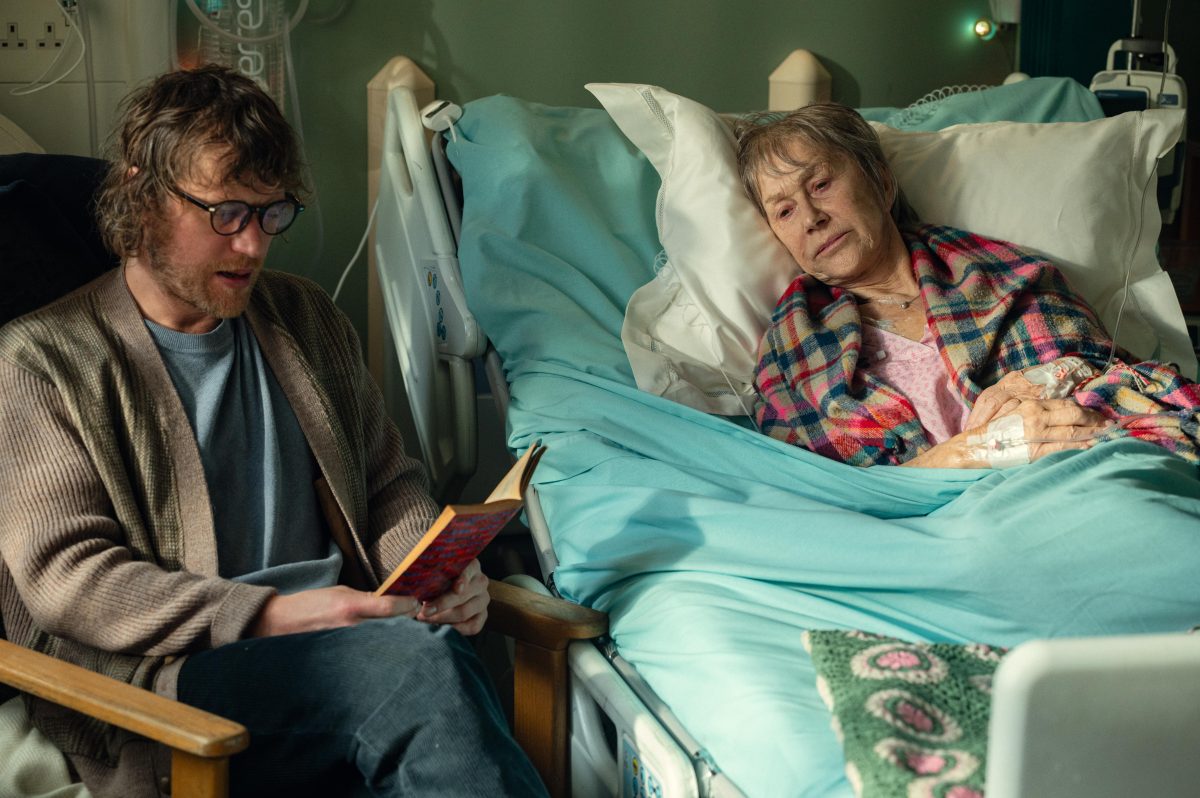
The film treats June as a fully formed woman, not just a symbol of motherhood. Her illness strips away social roles and reveals her humanity. She remains strong, but she also allows herself moments of vulnerability.
This balance makes her character deeply believable.

Emotional Inheritance
Each of June’s children carries a part of her within them.
-
Julia inherits responsibility and control.
-
Molly inherits emotional intensity.
-
Helen inherits a search for meaning.
-
Connor inherits sensitivity and quiet strength.
These traits shape how they respond to loss. The film suggests that family legacy often appears in behavior rather than memory. Children repeat patterns without realizing their origin.
June’s influence lives on through them, whether they want it to or not.
Motherhood and Unspoken Expectations
Goodbye June explores the emotional labor often expected of mothers. June has spent her life supporting others, resolving conflict, and maintaining balance.
When she becomes ill, the family realizes how much emotional work she carried alone. Without her, tensions surface quickly.
The film raises an important question: who holds a family together when the person who always did is no longer there?
This theme gives the story emotional depth and social relevance.

Daughters, Conflict, and Understanding
The relationships between June and her daughters feel especially complex.
Love mixes with resentment.
Admiration mixes with frustration.
These relationships do not resolve neatly. The film avoids simple forgiveness or emotional closure. Instead, it shows understanding growing slowly, through shared moments rather than speeches.
This honesty makes the story resonate with many viewers who recognize similar dynamics in their own families.
Letting Go as an Act of Love
As June approaches the end of her life, she begins to release control. She allows her children to be imperfect. She stops trying to fix everything.
This emotional release becomes her final gift.
By letting go, she gives her family space to grow beyond her presence. The film suggests that true love sometimes means stepping back, even when it hurts.
Conclusion: A Legacy That Continues
Goodbye June (2026) does not end with resolution.
It ends with continuation.
June’s life leaves a mark on every character. Her influence remains in habits, memories, and choices.
The film reminds us that saying goodbye is not a single moment. It happens over time, through memory and absence.
This is a quiet and thoughtful film about motherhood, family, and the emotional legacy we all leave behind.