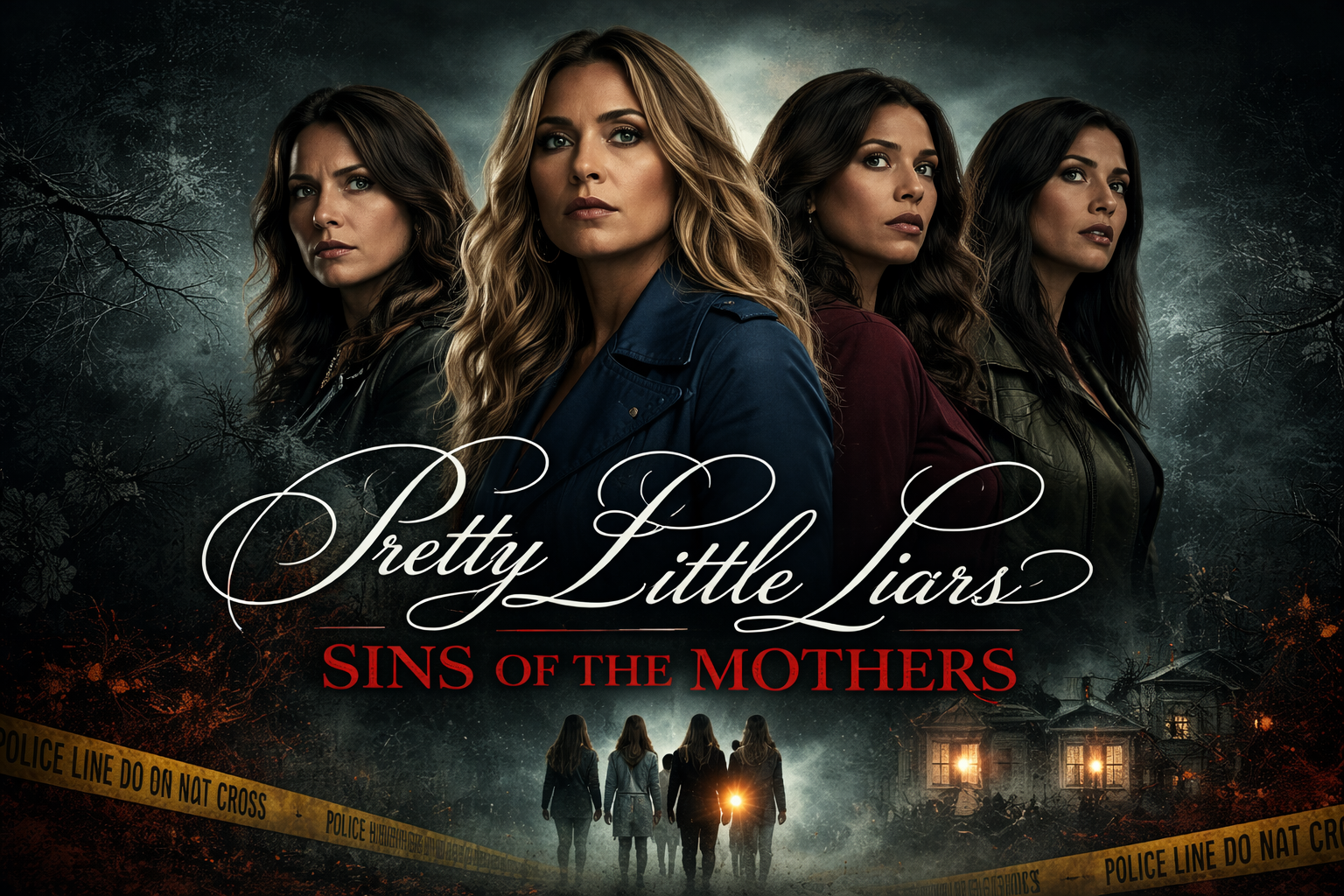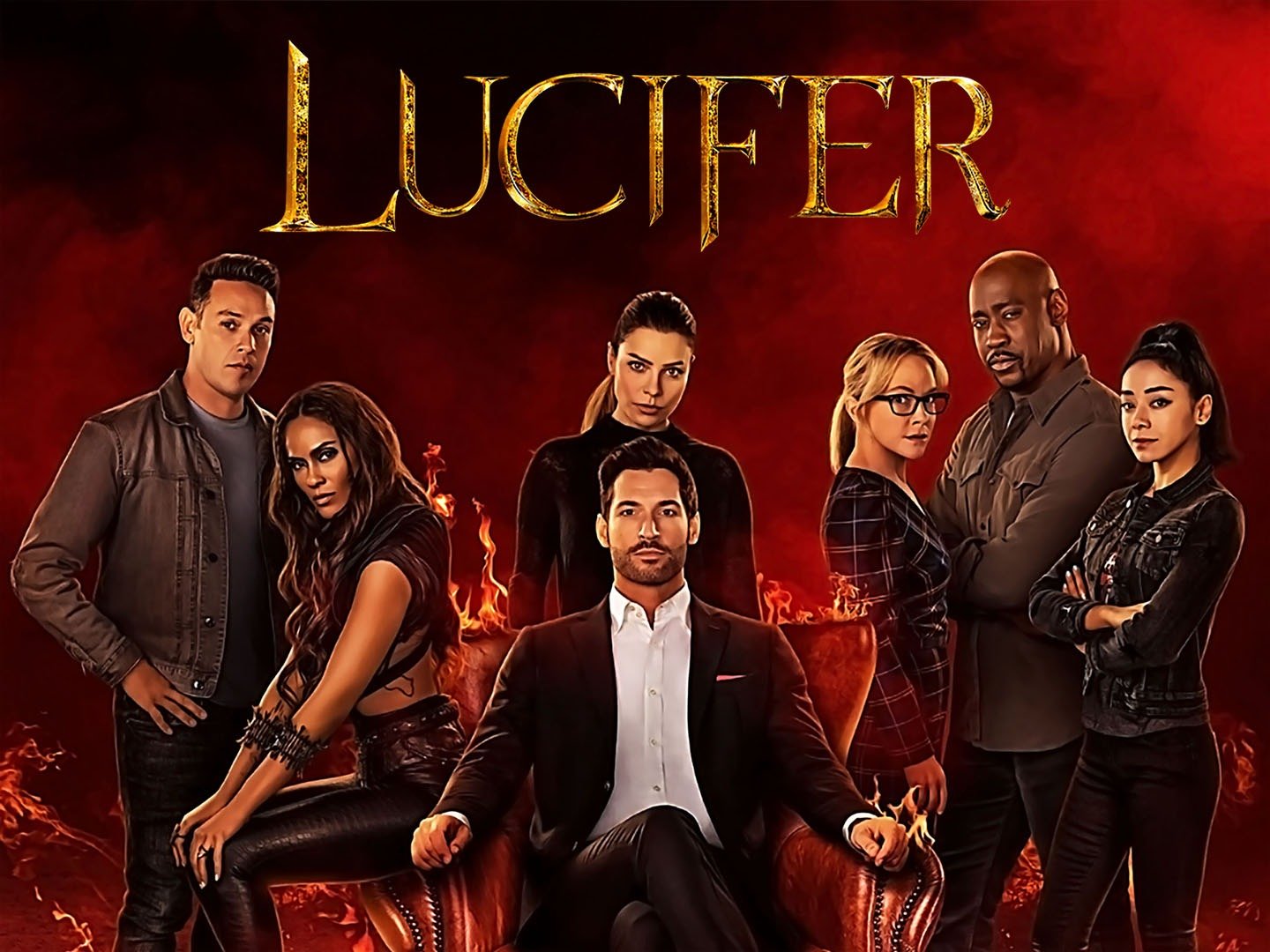
God was never meant to be human.
Amenadiel learned that lesson slowly.
When he ascended to the role of God, he promised himself one thing: he would not repeat his father’s mistakes. No distant rule. No silent judgment. Free will would guide creation. Humanity would choose its own path — even if that path led into darkness.
For a time, the universe felt lighter.
Then the shadows came.
A God Without Control
Unlike Lucifer, Amenadiel feels the disturbance everywhere at once. Souls arrive incomplete. Heaven feels hollow. Angels hesitate, unsure of their purpose. The balance that once held creation together begins to stretch thin.
Yet Amenadiel does nothing.
Not out of fear — but conviction.
Intervening too early would break the very freedom he fought to protect. He believes humanity must face the consequences of its choices, even painful ones. To interfere would make him the same distant God they once served.
Lucifer sees it differently.
To him, inaction is still a choice.
Their conflict is not loud. There are no heavenly wars. Just quiet distance between two brothers who now carry opposite burdens.
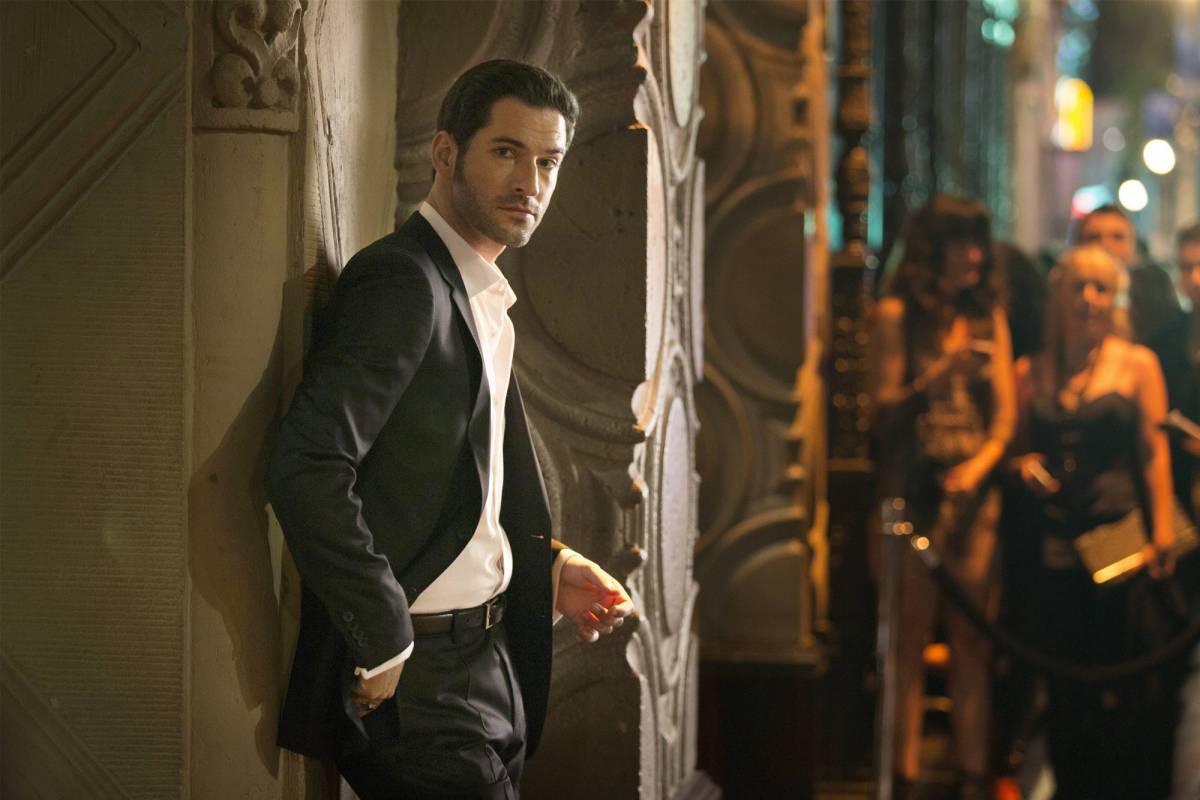
The Angels Who Fell Behind
As the City of Shadows grows, some angels begin to doubt Amenadiel’s leadership. They feel useless. Powerless. A few even disappear — drawn toward Umbrael’s promise of clarity and simplicity.
Order without choice.
Amenadiel confronts a terrifying possibility:
Free will, without guidance, may lead not to growth — but to emptiness.
For the first time, God questions himself.
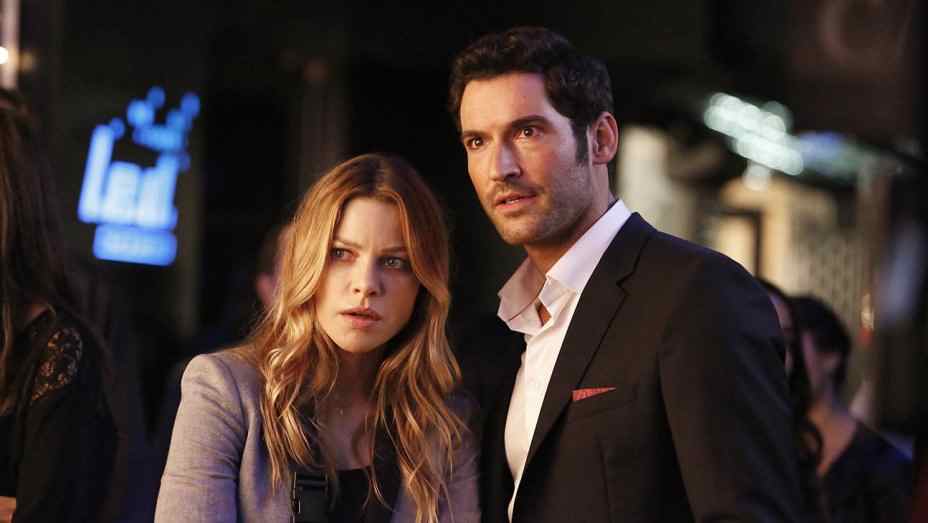
Lessons From the Devil
It is Lucifer who teaches Amenadiel the truth their father never could.
People do not need control.
They need presence.
Amenadiel realizes that being God does not mean staying above creation. It means standing within it — not fixing everything, but refusing to abandon it.
He chooses to act.
Not with thunder. Not with command.
But with listening.
Amenadiel opens Heaven to dialogue. Angels are no longer enforcers, but observers and guides. They walk among humanity unseen, learning rather than correcting.
Umbrael weakens as clarity returns.
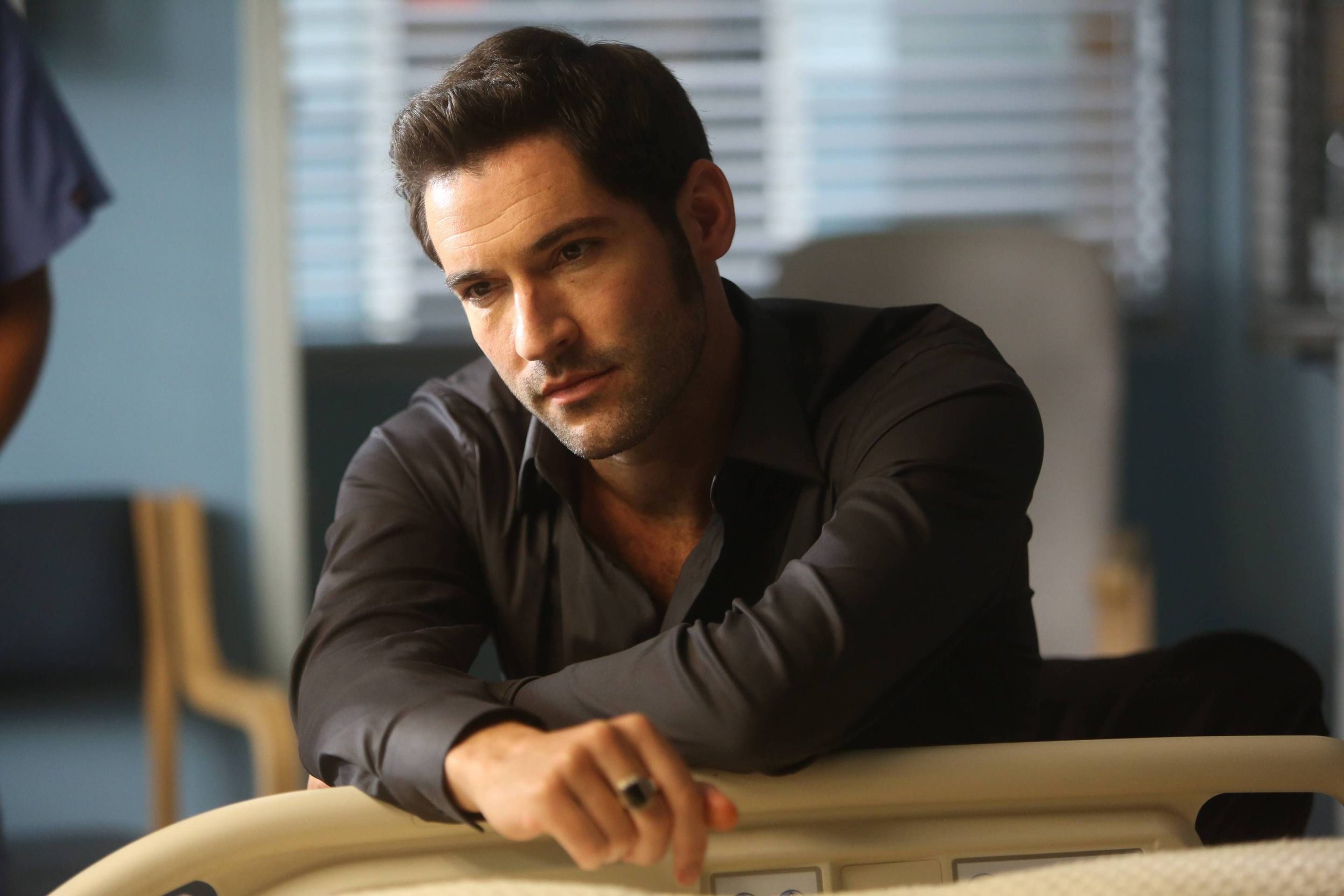
The Choice That Defines a God
In the final confrontation, Amenadiel meets Umbrael not as a ruler, but as a father.
Umbrael argues that freedom is a lie. That suffering proves humanity cannot handle choice.
Amenadiel answers with a simple truth:
Suffering is not proof of failure. It is proof of meaning.
He does not destroy Umbrael.
He limits it.
Umbrael is bound to the shadows where denial belongs — present, but no longer dominant. Darkness is acknowledged, not erased.
Balance is restored.
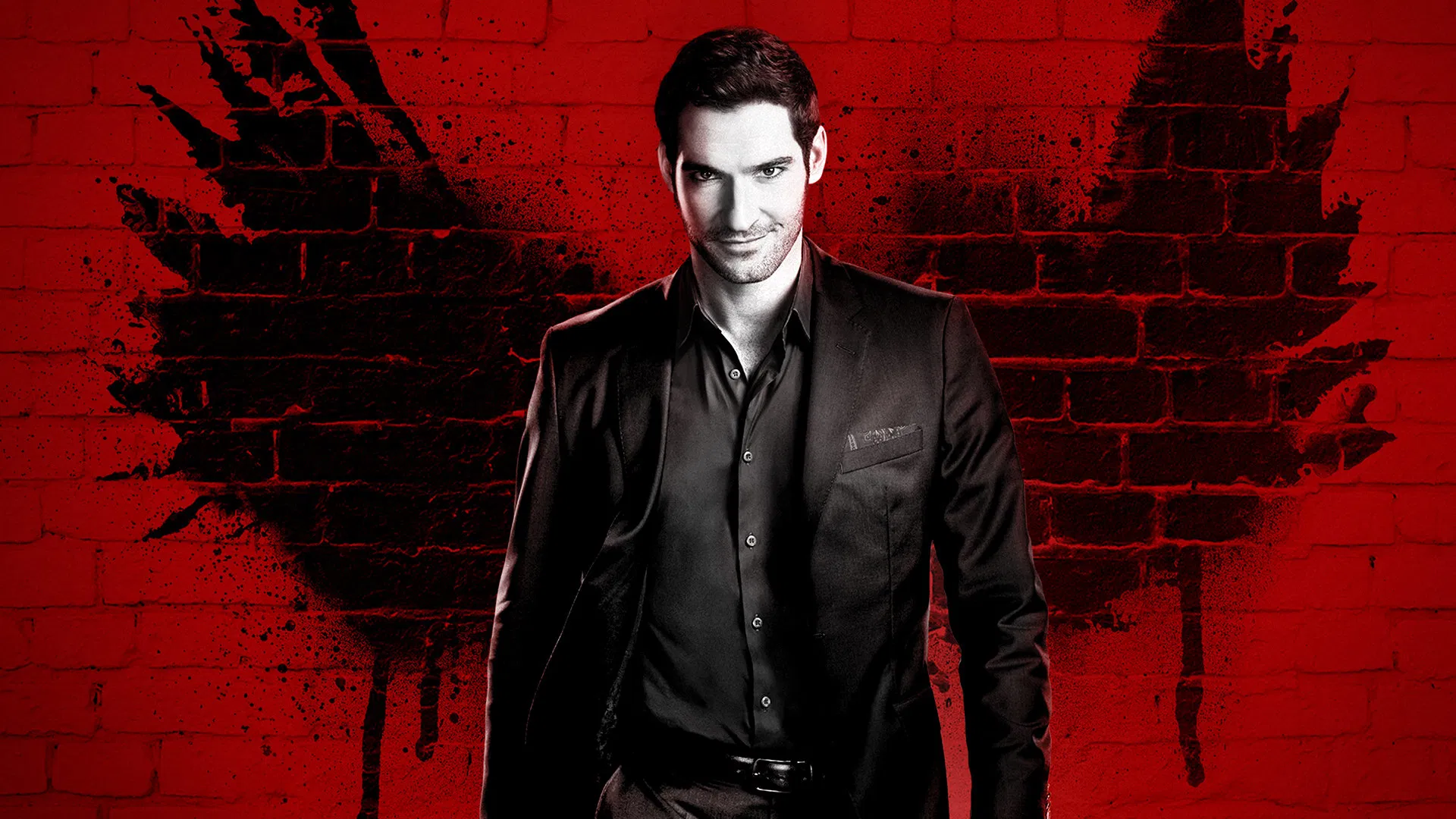
Legacy of Lucifer
When the crisis ends, the universe does not return to what it was.
It becomes something new.
Hell remains a place of truth. Heaven becomes a place of understanding. Earth continues as the testing ground between them.
Lucifer resumes his role, no longer fighting his nature, but refining it. Maze stands guard over the borders between worlds. Chloe moves freely within the cycle of life and death. And Amenadiel watches — not above, but alongside.
The final image is quiet.
Amenadiel sits with his son, Charlie, watching the sky over Los Angeles. He does not explain God. He does not explain destiny.
He simply listens.
The Final Truth
Lucifer: City of Shadows does not end with victory over evil.
It ends with acceptance.
That darkness will always exist.
That free will will always risk pain.
And that the Devil was never the enemy.
He was the one who asked the questions God was afraid to answer.
Fade to black.