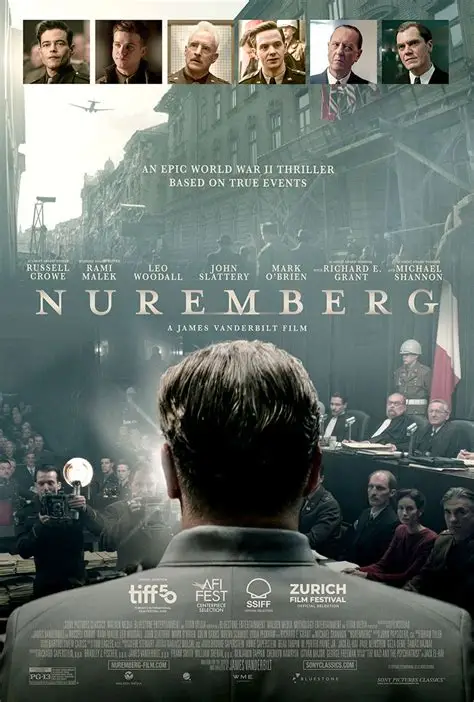
Nuremberg (2025) serves as more than a historical recount; it is a meditation on morality, justice, and the human capacity for evil. James Vanderbilt’s cinematic interpretation of the post-World War II trials presents the audience with a complex ethical landscape, examining not only what constitutes guilt but also the mechanisms by which society judges it.

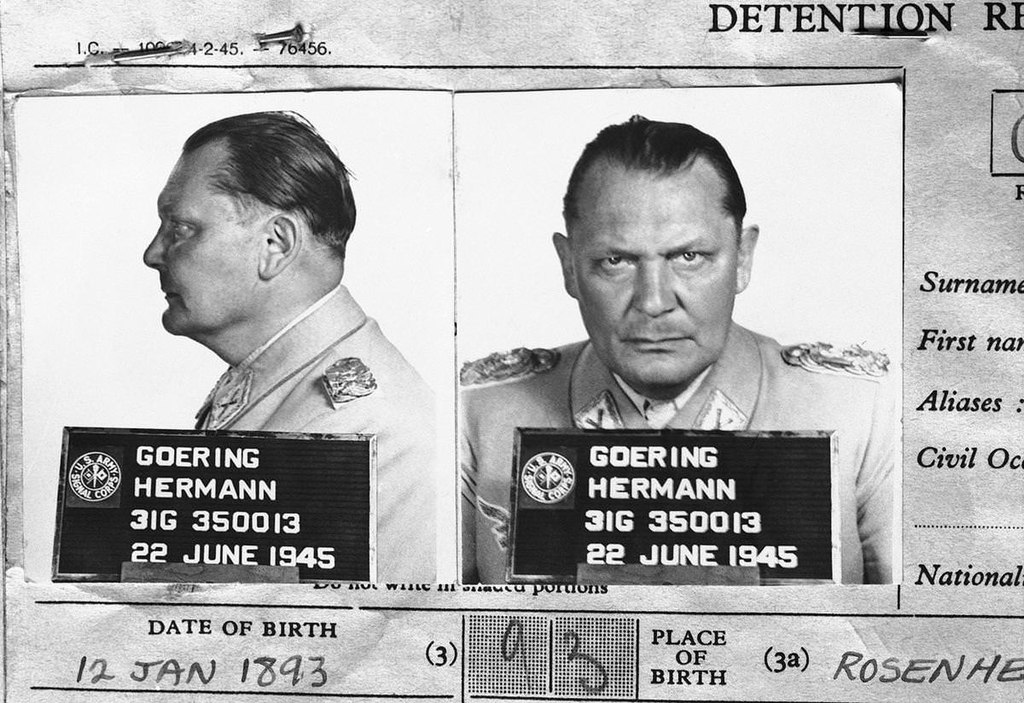
The film places emphasis on the meticulous process of assessing Nazi leaders for trial readiness. Dr. Douglas Kelley (Rami Malek) operates under immense pressure, balancing professional duty with personal conscience. Meanwhile, Hermann Göring (Russell Crowe) embodies the seductive, articulate force of corruption, demonstrating how charisma and intelligence can veil profound immorality. Their interactions form the moral core of the film, exploring questions that remain relevant in contemporary debates about justice, accountability, and human nature.
Historical accuracy is complemented by cinematic technique. Dark, shadow-laden cinematography mirrors the ethical ambiguity surrounding the defendants, while the somber score underscores the gravity of every decision. Scenes depicting examination, interrogation, and legal deliberation are rendered with intense precision, allowing viewers to experience the moral weight and emotional strain faced by both prosecutors and defendants.
Nuremberg also foregrounds the tension between law and humanity. The film presents multiple perspectives: military officials, psychologists, and legal authorities, each confronting the challenge of translating abstract principles of justice into real-world action. This layered approach provides depth, highlighting the complexities of administering justice in extraordinary circumstances.
Crowe’s and Malek’s performances anchor these thematic explorations. Crowe conveys Göring’s manipulative brilliance with subtle expressions, while Malek embodies the ethical deliberation and moral struggle of Kelley. The interplay between these characters humanizes the philosophical debates, making abstract questions tangible and urgent.
Ultimately, Nuremberg is an educational and thought-provoking experience. It challenges audiences to reflect on the nature of evil, the importance of moral responsibility, and the painstaking work required to uphold justice. Beyond its cinematic achievements, the film serves as a reminder of history’s lessons, emphasizing vigilance, ethical clarity, and the enduring need for accountability.