Every empire believes it will last forever.
Old Money – Season 2 exists to dismantle that illusion.
This season is not merely about wealth or romance. It is about legacy — the invisible inheritance passed down through bloodlines, shaping lives long before choices are made. Money can be spent, businesses can fail, but legacy lingers. And in Old Money, it becomes the most dangerous inheritance of all.
The Myth of Permanence
From its opening moments, Season 2 challenges the idea that power is permanent. The families who dominate Istanbul’s elite society move with confidence born of centuries of influence. Their names open doors. Their mistakes are buried quietly.
Yet beneath this confidence is fear.
The series exposes how wealth creates an obsession with continuity — an almost desperate need to preserve the family name at any cost. This fear drives decisions that appear rational but are fundamentally destructive.
Season 2 portrays this obsession not as villainy, but as survival instinct twisted by tradition.

Inheriting More Than Wealth
Children in Old Money do not inherit freedom.
They inherit expectation.
Season 2 carefully examines how younger generations struggle under the weight of unspoken obligations. They are groomed to lead companies they did not build, defend values they did not choose, and maintain reputations forged long before their birth.
The show excels at showing how this pressure manifests differently across characters. Some comply. Some rebel quietly. Some collapse under the strain.
What unites them is the realization that privilege does not protect against emotional damage — it often amplifies it.

Osman’s Legacy Dilemma
Osman stands at the center of Season 2’s exploration of legacy, despite being an outsider to old money.
As a self-made man, he initially believes he has escaped inherited limitation. But Season 2 reveals a harsher truth: every system creates its own legacy.
Osman begins to understand that his choices — driven by ambition, control, and emotional restraint — are shaping a future he may not be proud to pass on. The realization does not soften him; it sharpens him.
His arc becomes one of moral ambiguity. He is not becoming like the old families — he is becoming something equally rigid, equally isolating.
Nihal and the Courage to Break the Chain
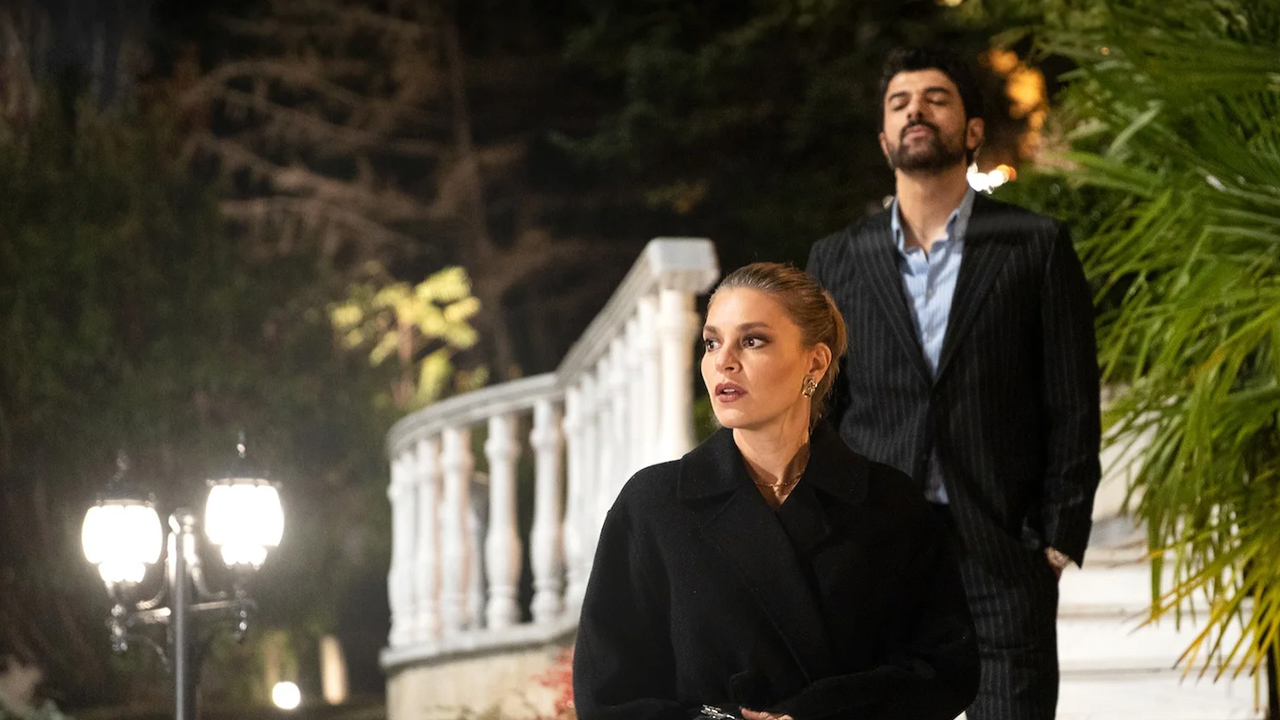
If Osman represents continuity, Nihal represents rupture.
Season 2 positions her not as a revolutionary figure, but as a woman attempting something far more difficult: refusing to repeat what was done to her.
Her resistance is subtle. She does not stage dramatic confrontations. Instead, she chooses absence over compliance, silence over performance. These choices come with consequences — isolation, uncertainty, loss.
Yet the series frames her struggle as profoundly courageous. Breaking generational cycles requires endurance, not defiance.
Nihal’s journey suggests that true rebellion in elite spaces is not destruction — it is disengagement.
Power’s Final Form: Control of Narrative
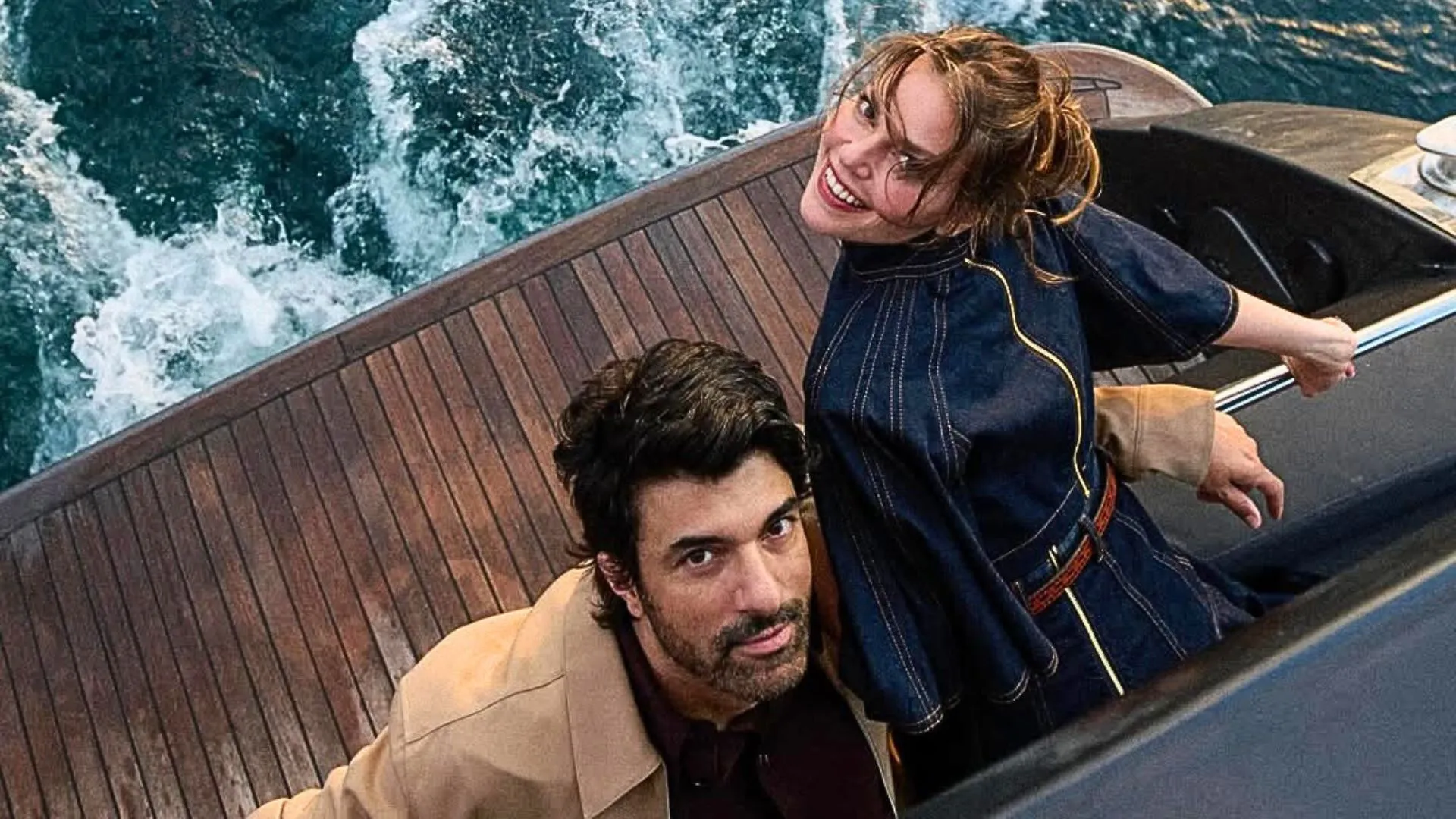
One of the most chilling ideas in Season 2 is that power’s ultimate goal is not wealth, but control of narrative.
Families rewrite history to protect themselves. Scandals are reframed as misunderstandings. Victims become liabilities. Truth becomes negotiable.
The series shows how controlling the story allows these families to survive long after moral collapse. But it also shows the cracks forming — whispers, leaks, moments where the narrative slips.
Season 2 understands that the fall of empires rarely comes from external attack. It comes from internal contradiction.
The Slow Collapse
Unlike traditional dramas that rely on explosive downfall, Old Money chooses a more realistic path: slow collapse.
Relationships deteriorate. Trust erodes. Power becomes performative rather than absolute. Characters cling to rituals that no longer hold meaning.
This approach makes the season deeply unsettling. There is no single villain to blame, no moment where everything falls apart at once. Instead, the audience watches as systems decay under their own weight.
A Series That Refuses Comfort
Season 2 ends not with resolution, but with awareness.
Characters are left standing in the ruins of choices they cannot undo. Some recognize their complicity. Others double down on denial. No one escapes unchanged.
This refusal to offer comfort is what elevates Old Money into something memorable. It respects the intelligence of its audience, trusting them to sit with ambiguity.
Why Old Money Season 2 Matters
In a media landscape saturated with stories about wealth, Old Money stands apart by asking not how riches are acquired, but what they do to the soul.
Season 2 completes a thematic evolution:
-
From attraction to power
-
To entrapment by power
-
To the realization that power is a burden masquerading as privilege
It is a season about inheritance — not of money, but of fear, control, and silence.
And it leaves one question lingering long after the final episode:
If legacy is a prison, who has the courage to walk away?
Final Thoughts
Old Money – Season 2 (2026) is not a spectacle-driven drama. It is a quiet, emotionally devastating study of power and inheritance. Its strength lies in subtlety, in the spaces between words, in the consequences characters refuse to name.
This is storytelling that trusts patience — and rewards it.