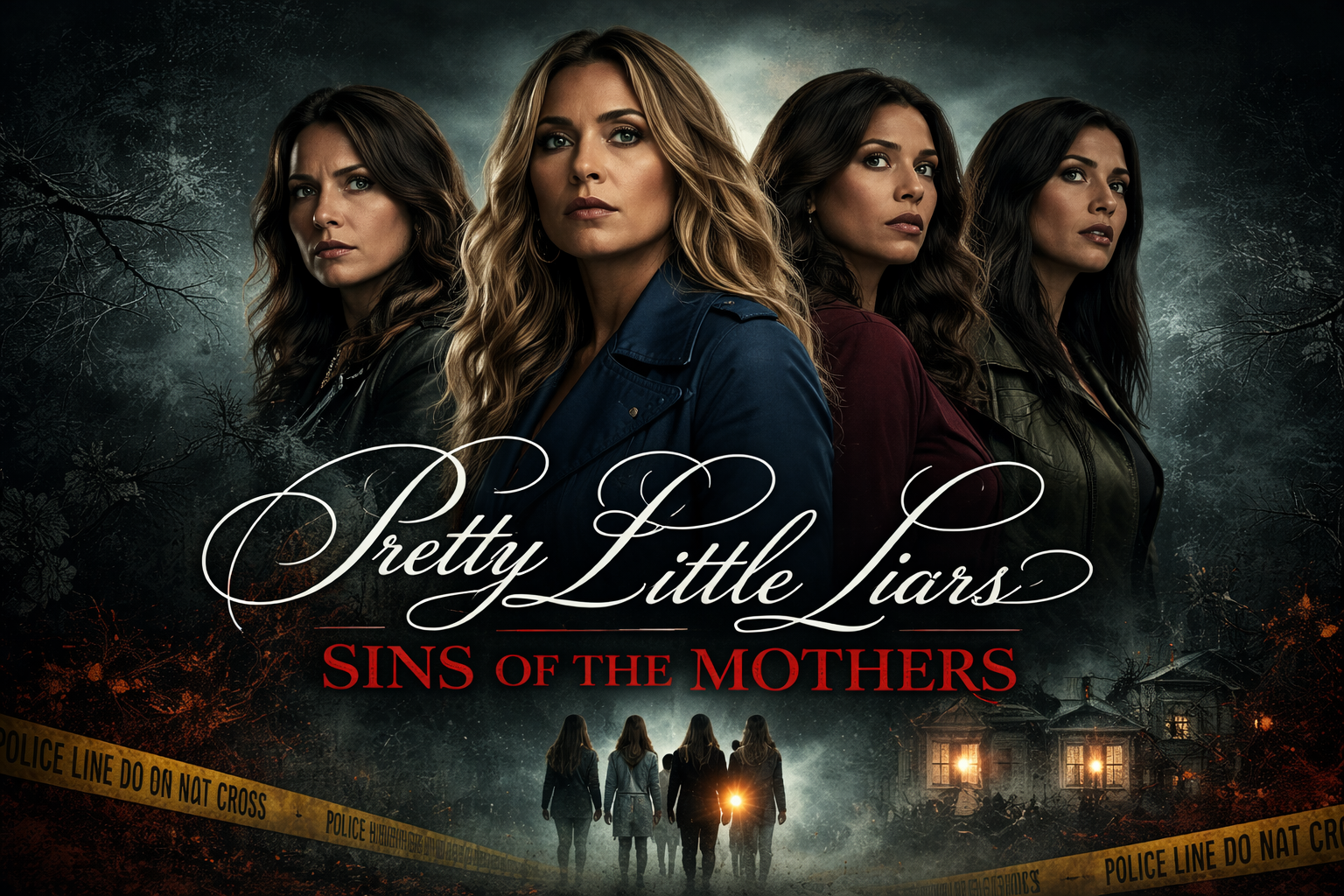
An Ending Without Redemption
Television endings often promise relief. Characters grow, heal, or escape. In contrast, the imagined Season 12 of Shameless rejects that tradition. South Side Never Dies does not exist to comfort the audience. It exists to complete the series’ moral argument.
Rather than offering resolution, Season 12 offers clarity. It does not ask whether the Gallaghers deserve better lives. It asks whether television has the right to pretend that everyone gets one.

Beyond Closure: Why Season 12 Exists
Season 11 ended with open space. Frank was gone. The family remained fractured. Nothing felt resolved.
Season 12 uses that openness deliberately. Instead of filling gaps, it examines them. The season treats continuation as an ethical choice, not a narrative indulgence.
Therefore, Season 12 functions less like a sequel and more like a lens. It reframes eleven years of storytelling and asks the audience to reconsider what they expected from the beginning.

Frank Gallagher’s Absence as Narrative Truth
Frank’s death removes chaos but leaves structure intact. His children no longer react to him, yet they still operate within patterns he created.
Importantly, the season does not turn Frank into a symbol. It treats him as a source of ongoing consequence. Bills arrive. Habits persist. Damage continues.
As a result, Season 12 rejects the idea that death resolves harm. Trauma does not end when a character exits the frame. It becomes quieter and more efficient.
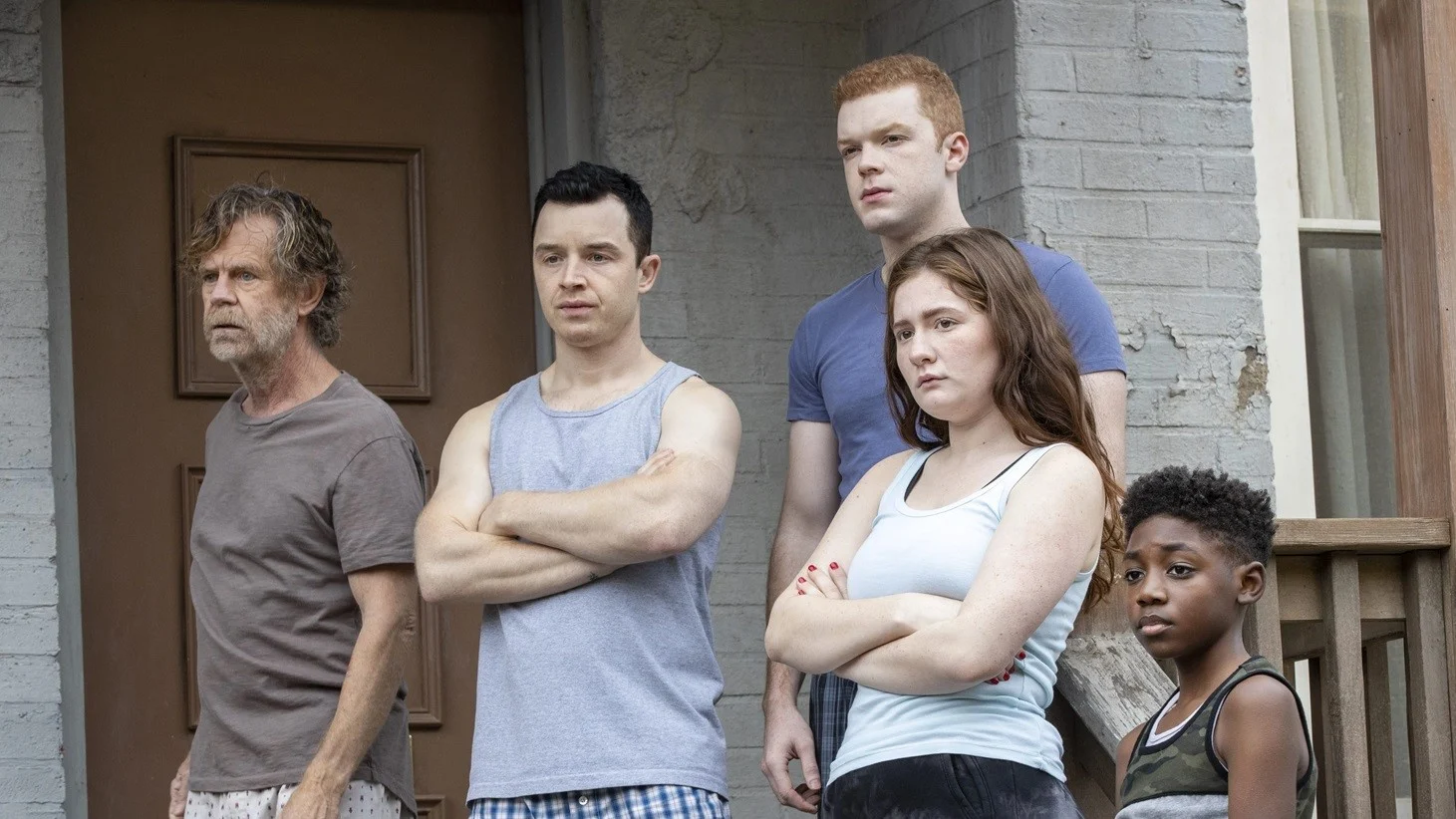
The Gallagher Family and the Myth of Growth
Most long-running series reward audiences with character growth. Shameless refuses this reward.
Lip remains intelligent and trapped. Debbie becomes capable and morally flexible. Ian stabilizes without finding peace. Mickey loves without feeling safe. Carl learns limits instead of power.
In contrast to traditional arcs, these trajectories do not converge toward redemption. They settle into patterns.
Therefore, Season 12 reframes growth as adjustment, not improvement. The Gallaghers do not transform. They adapt.

Debbie Gallagher and the Cost of Adaptation
Debbie’s arc carries the season’s sharpest critique. She succeeds by mastering control. She manipulates systems efficiently and gains short-term security.
However, the cost appears quietly. Her worldview hardens. Her emotional range narrows. Survival becomes transactional.
Season 12 does not punish Debbie for this evolution. Instead, it exposes the environment that rewards it. Debbie does not betray her values. The world reshapes them.
Love Without Resolution: Ian and Mickey
Ian and Mickey’s relationship rejects romantic payoff. Marriage does not cure instability. It reorganizes it.
Ian carries responsibility until exhaustion. Meanwhile, Mickey struggles with a life that no longer requires constant defense.
Their conflict lacks spectacle. Yet it carries weight. Love becomes labor rather than salvation.
As a result, Season 12 presents intimacy as endurance. Relationships survive not because they heal trauma, but because partners accept its permanence.
Carl Gallagher and the Limits of Institutions
Carl enters adulthood believing systems can change from within. Season 12 dismantles this belief carefully.
As redevelopment accelerates, policing becomes a tool of displacement. Carl enforces rules that protect property, not people.
Eventually, he steps away. This decision is not failure. It is recognition.
Therefore, Carl’s arc completes the season’s institutional critique. Good intentions do not redeem broken structures.
Fiona Gallagher and the Right to Refuse
Fiona’s return carries no triumph. She arrives as someone who survived by leaving.
Crucially, she refuses to intervene. She does not save the house. She does not unify the family. She sets boundaries.
This refusal marks the season’s most radical moment. Fiona rejects the role of eternal caretaker.
In doing so, Season 12 reframes sacrifice. Survival does not require self-erasure.
The Destruction of the House and the End of Nostalgia
The Gallagher house falls without ceremony. The camera does not linger. Music does not swell.
This choice matters. Season 12 denies the audience nostalgic comfort. The house does not become legend. It becomes absence.
However, life continues. Children play where the house once stood.
Ultimately, the series chooses movement over memory. Stories end. Places change. People persist.
Shameless as a Television Legacy
Season 12 secures Shameless’ place in television history by refusing redemption.
It challenges the idea that long-running stories must justify suffering with payoff. Instead, it honors lives defined by endurance rather than transformation.
By ending without moral resolution, Shameless respects its characters and its audience.
It does not offer hope as spectacle. It offers truth as recognition.
A Final Statement Without Comfort
South Side Never Dies does not promise survival as victory. It presents survival as necessity.
The Gallaghers remain imperfect. South Side remains contested. The story remains unfinished.
And that is the point.
Season 12 does not close the book. It leaves it where life usually does: mid-sentence.