The Last Ronin and the Future of Dark Comic Book Cinema
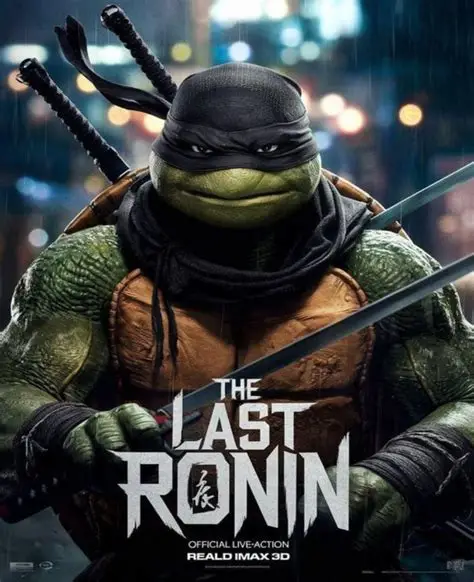
Superhero films once promised escape, excitement, and simple victories. Over time, however, audiences changed. Viewers began to ask deeper questions. They wanted stories about consequence, loss, and responsibility. Teenage Mutant Ninja Turtles: The Last Ronin fits directly into this shift.
Although it has not yet become a feature film, The Last Ronin already influences how people imagine the future of comic book cinema. Its impact goes beyond one franchise. It represents a different way of telling heroic stories.
A Clear Shift Toward Mature Storytelling
In the past, comic adaptations often avoided sadness and moral uncertainty. Heroes won. Villains lost. The world returned to balance.
The Last Ronin rejects this structure.
The story begins after failure. The world has already fallen apart. The hero does not fight to restore peace. Instead, he struggles to survive his own memories.
This approach reflects a larger movement in modern cinema. Films like Logan and Joker proved that audiences will support darker, character-driven stories when they feel honest.
The Last Ronin belongs to this same creative space.
Why Darkness Works When It Has Purpose
Darkness alone does not make a story meaningful. What matters is intention.
In The Last Ronin, darkness serves character. Loss shapes every decision. Silence replaces humor. Reflection replaces spectacle.
The story never celebrates violence. Instead, it treats every action as a cost. This restraint separates it from shallow “dark” reboots that rely only on grim visuals.
As a result, the story feels personal rather than shocking.
A New Definition of Heroism
Traditional superhero stories focus on power. The Last Ronin focuses on endurance.
The remaining turtle is not strong because he wins easily. He is strong because he continues despite pain. He carries regret, doubt, and fear, yet still moves forward.
This version of heroism feels closer to real life. Audiences recognize it. They respond to it.
Modern viewers no longer look only for invincible figures. They look for resilience.
The Influence on Future Adaptations
Even without a confirmed film, The Last Ronin influences discussions about adaptation.
Creators now openly consider mature interpretations of classic characters. Studios experiment with smaller budgets and focused storytelling. Streaming platforms explore darker tones.
The Last Ronin shows that legacy franchises do not need constant reinvention. They need honest evolution.
This lesson extends beyond Ninja Turtles. It applies to all long-running properties struggling to stay relevant.
Why Timing Matters
If adapted too early, The Last Ronin could feel rushed. If adapted too late, it could lose momentum.
However, the current cultural moment feels ready.
Audiences understand grief, uncertainty, and loss more deeply than before. They accept slower pacing and emotional weight.
In this context, The Last Ronin feels less like a risk and more like an opportunity.
A Story That Respects Its Audience
One reason The Last Ronin resonates is respect.
It does not explain every emotion. It allows silence. It trusts viewers to connect the dots.
This respect builds loyalty. Fans do not feel manipulated. They feel invited.
Modern cinema often forgets this simple truth: audiences appreciate being treated as thoughtful participants.
The Long-Term Cultural Impact
Even if the story never becomes a film, its influence will remain.
It has already changed how people talk about Ninja Turtles. It has already expanded the emotional range of the franchise.
More importantly, it proves that nostalgia can grow instead of repeat itself.
This idea may define the next era of comic book storytelling.
A Quiet Revolution in Franchise Storytelling
The Last Ronin does not shout. It whispers.
Yet its message carries far.
It suggests that heroes do not always need new enemies. Sometimes, they need endings. Sometimes, they need reflection.
This quiet approach may shape future adaptations more than any blockbuster success.
Conclusion: The Future Is Not Brighter—It Is Deeper
Teenage Mutant Ninja Turtles: The Last Ronin points toward a future where comic book cinema values depth over noise.
It shows that darkness can be meaningful. It proves that legacy characters can age with dignity. It reminds storytellers that emotional truth lasts longer than spectacle.
Whether or not the film appears, The Last Ronin has already done something powerful.
It changed the conversation.