Every long journey reaches a moment when the road begins to feel different.
The turns look familiar. The silence lasts longer. Even the engine sounds softer.
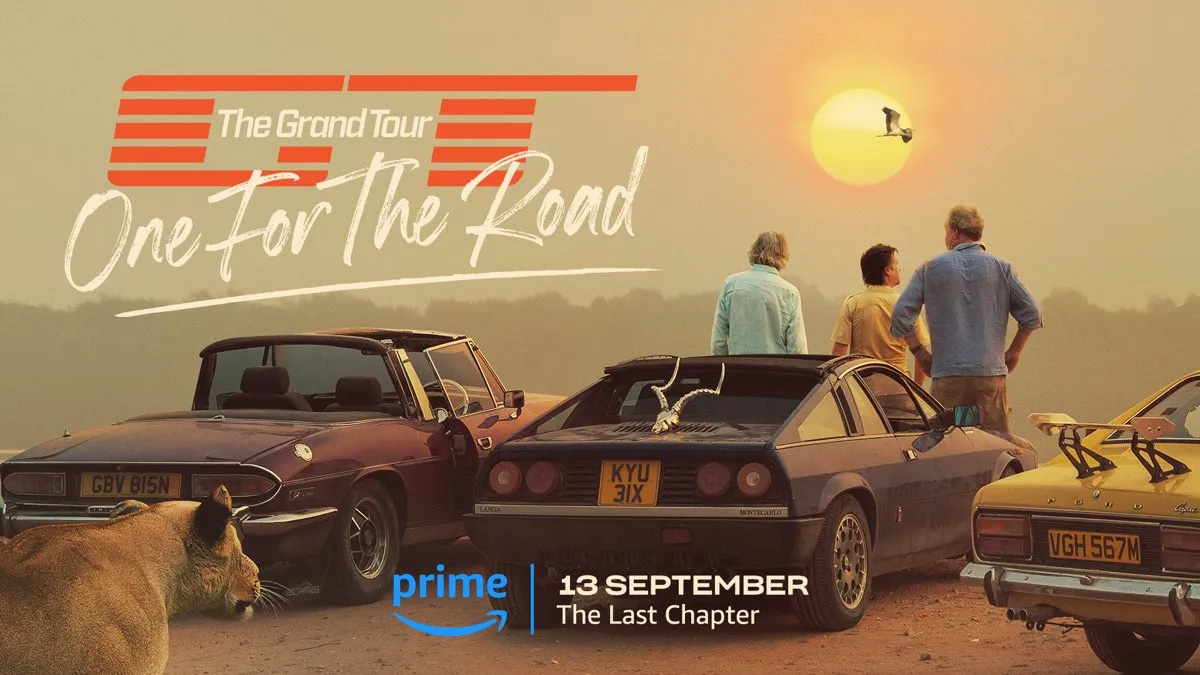
In The Grand Tour: The Final Lap, that moment arrives not with shock, but with understanding.
This final chapter does not try to prove anything. Instead, it allows Jeremy Clarkson, Richard Hammond, and James May to finish their story on their own terms—slowly, honestly, and with respect for the road behind them.
A Journey That Knows It Is Ending
From the opening scenes, the film makes one thing clear: this journey is not about reaching a destination.
Instead, it is about awareness.
The trio no longer rushes to the next challenge. Rather, they notice details. They stop more often. They look back as much as they look ahead.
Because of this shift, the film feels calm. Even when something goes wrong, no one panics. The urgency that once defined their adventures has faded, replaced by confidence and acceptance.
The road no longer demands speed. It invites reflection.
The Cars Take a Back Seat
Although cars remain present, they no longer dominate the story.
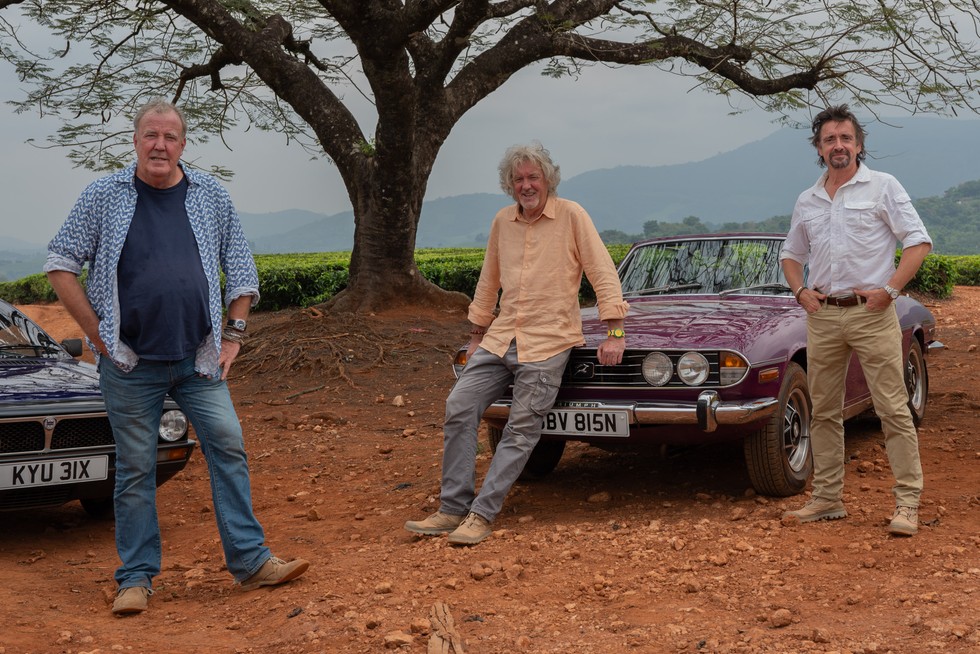
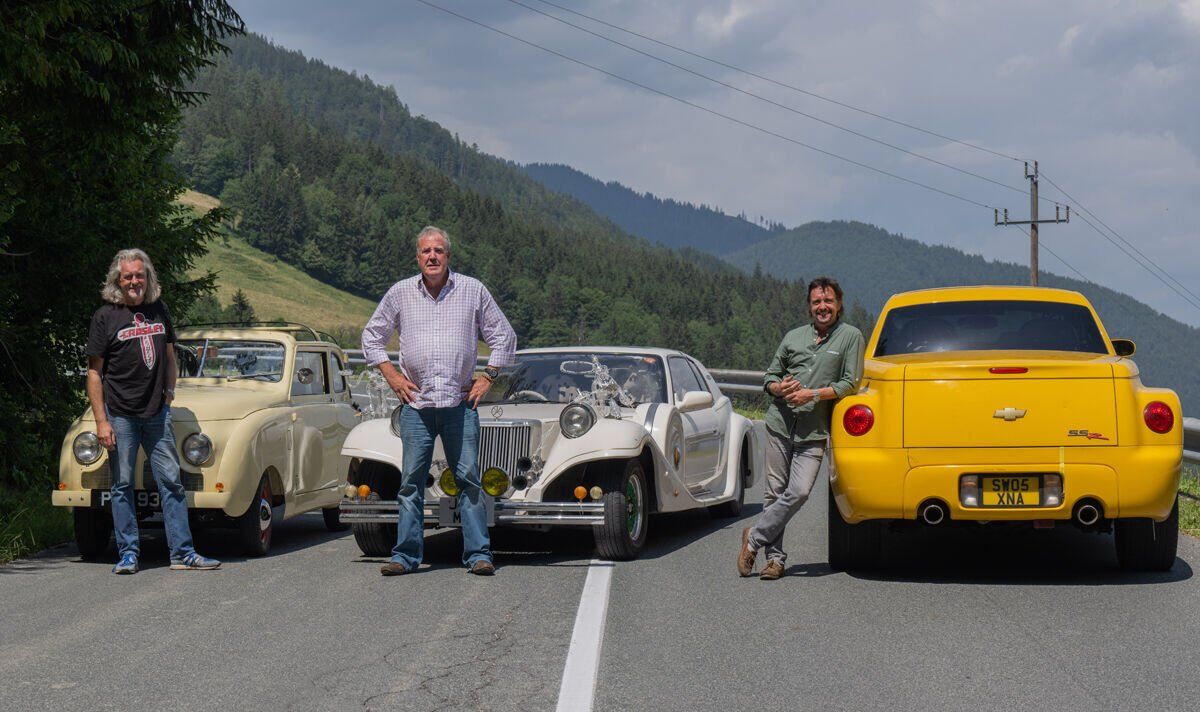
Earlier specials often turned vehicles into weapons—tools to win arguments or prove points. In contrast, The Final Lap treats cars as companions.
Each car reflects its driver’s current mindset.
Clarkson chooses strength with age.
Hammond picks excitement with risk.
May selects comfort and balance.
These choices happen quietly. No explanations follow. The audience understands without being told.
This approach signals growth. Power matters less than meaning now.
Silence as a Form of Honesty
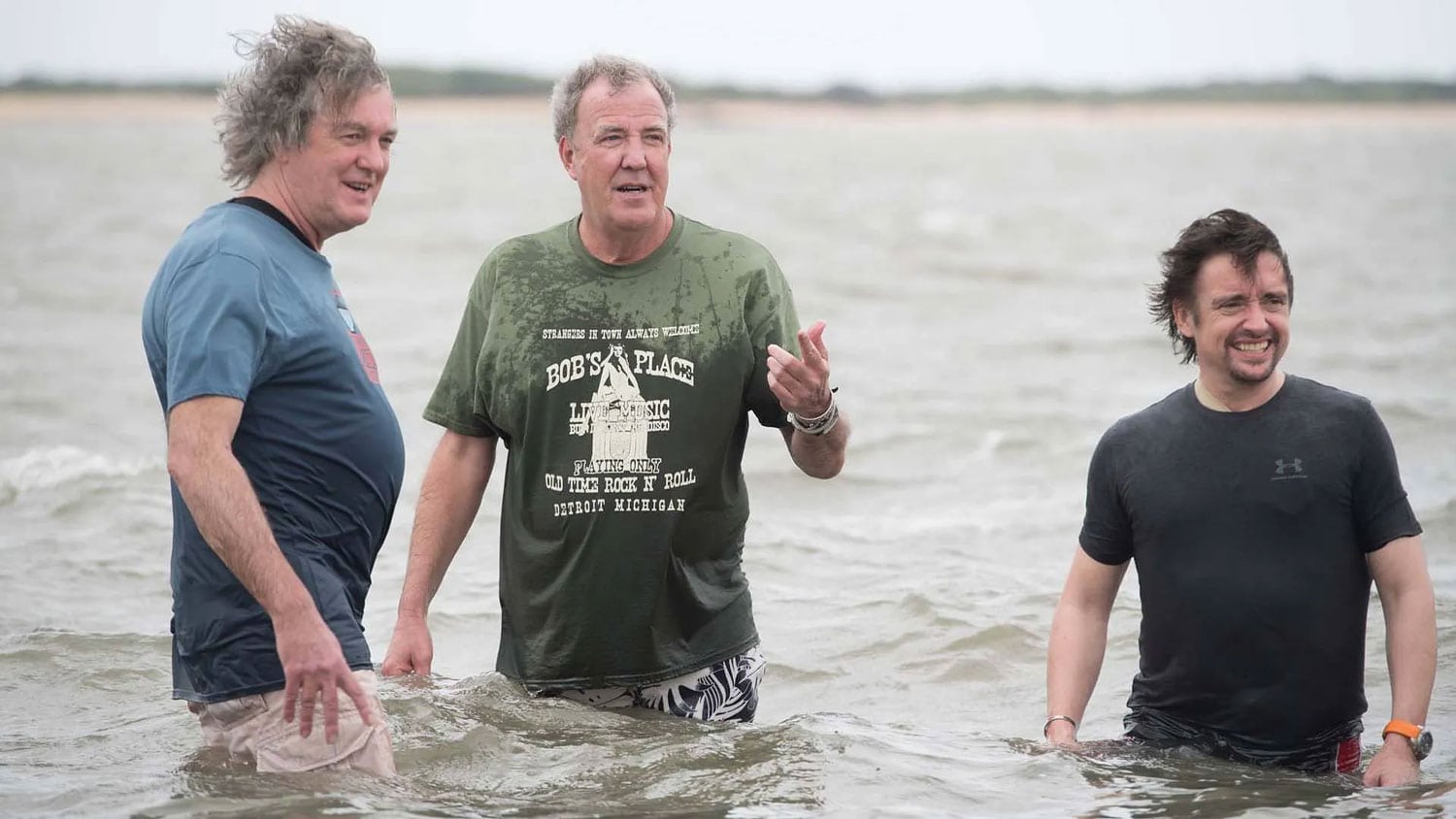
One of the film’s boldest choices is its use of silence.
Rather than filling every moment with jokes, the film allows long stretches without dialogue. During these scenes, the trio simply drives.
As a result, viewers feel invited into the space between words.
Silence becomes honesty.
It shows comfort.
It shows trust.
And it shows friendship that no longer needs proof.
In modern television, silence often feels risky. Here, it feels earned.
The Weight of Shared History
Throughout the journey, the trio references moments from the past.
Sometimes they mention them directly. At other times, a glance or a laugh does the work.
Importantly, the film never explains these references for new viewers. Instead, it trusts the audience.
This decision respects long-time fans. It acknowledges that history does not need constant retelling.
If you were there, you remember.
If you were not, you still feel the bond.
That emotional honesty gives the film its strength.
Letting the Audience Feel the Goodbye
Unlike many farewell projects, The Final Lap avoids direct goodbyes.
No speeches.
No messages to camera.
No dramatic endings.
Instead, the film lets the audience feel the goodbye rather than hear it.
The journey simply slows. The stops become longer. The nights feel quieter.
Eventually, viewers understand what is happening—without anyone needing to say it.
This approach makes the farewell personal.
It feels like leaving a friend’s house after a long visit, knowing the door will close gently behind you.
Humor That Feels Like Home
Despite its reflective tone, the film never forgets to be funny.
However, the humor has matured.
The jokes come from habit rather than competition. Clarkson still complains. Hammond still pushes limits. May still values patience over chaos.
The difference is tone.
The laughter feels warm, not sharp.
It feels shared, not aimed.
Because of that, the humor feels like home—familiar, comforting, and honest.
Friendship Without Performance
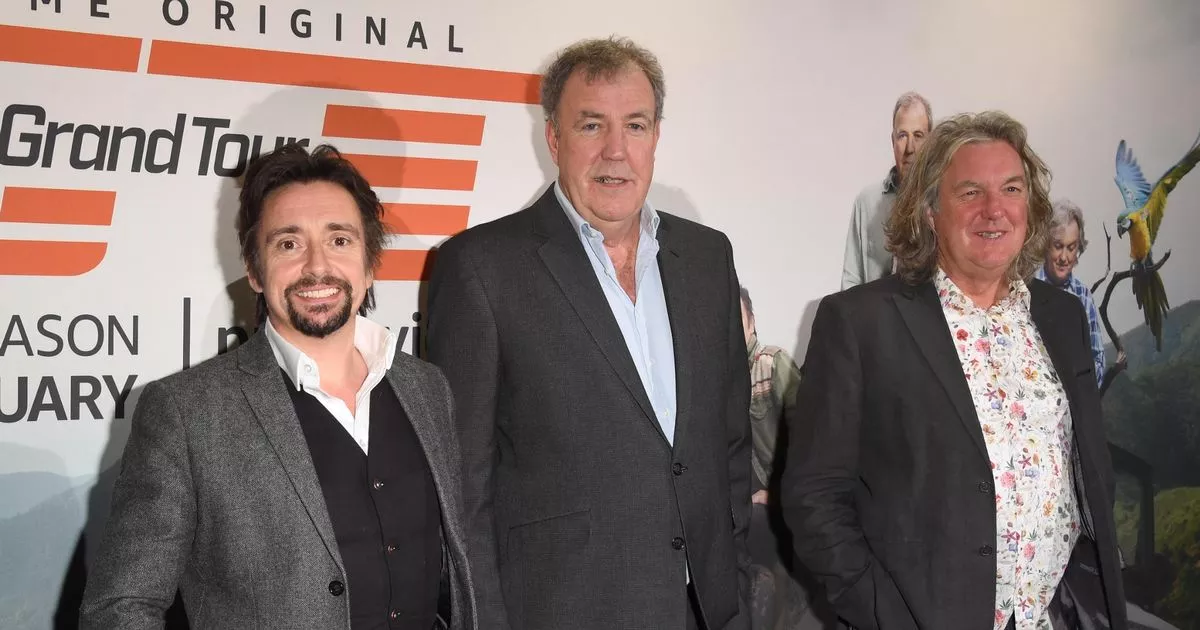
One of the film’s most important achievements is removing performance from friendship.
The trio no longer plays roles for the camera. They speak naturally. They listen carefully.
When one speaks, the others wait.
That patience tells the real story.
This is friendship built over time, not for entertainment, but for survival. The film captures this truth without trying to frame it.
The camera simply observes.
The Final Drive
As the journey reaches its last stretch, the film becomes even quieter.
Music fades. Engines soften.
The trio drives the final road together, side by side, without racing.
Eventually, they pull over.
There is no countdown. No signal.
They step out of their cars and stand together for a moment. The road stretches ahead, empty and calm.
Then, without ceremony, they part ways.
Each gets back into a car.
Each drives in a different direction.
The camera stays behind.
Why This Ending Feels Right
The Final Lap succeeds because it respects its own limits.
It does not try to extend the story. It does not search for a next chapter. Instead, it accepts completion.
This decision protects the legacy.
By ending now, the film preserves memory. It allows laughter, failure, and friendship to remain untouched by repetition.
Endings, the film suggests, are not losses.
They are conclusions.
The Cultural Goodbye
Beyond entertainment, The Grand Tour shaped global television.
It changed how shows talked about cars.
It proved chemistry mattered more than format.
It reminded audiences that joy often comes from imperfection.
The Final Lap honors that impact quietly.
No statistics appear. No achievements are listed.
The influence lives in the audience.
The Meaning of the Last Lap
A final lap is not about speed.
It is about awareness.
You know the turns.
You feel the weight of distance.
You understand what the journey gave you.
That understanding defines this film.
Why This Story Will Last
The Grand Tour: The Final Lap lasts because it feels human.
It accepts age.
It respects memory.
And it understands when to stop.
Not every road needs to continue forever.
Some roads exist so we remember how it felt to travel them.
And that is enough.